Looking for a Bristol neighborhood that keeps you close to music, galleries, and year-round events? If arts and culture matter to your daily life, where you live in Bristol can shape how easily you enjoy everything from live performances to downtown festivals. This guide walks you through the Bristol, Virginia areas with the strongest connection to the city’s creative core, so you can picture the lifestyle and housing options more clearly. Let’s dive in.
Bristol's Arts And Culture Center
Bristol’s creative heartbeat is centered around Downtown Bristol and State Street. This historic corridor runs along the Virginia-Tennessee line and is known for its pedestrian-friendly layout, specialty shops, art galleries, cafes, restaurants, theaters, street festivals, and live music.
Downtown also brings together more than 150 businesses, outdoor stages, a farmers market, and loft apartments. If you want the kind of setting where you can step out and be near events, public spaces, and local activity, this is the area that sets the tone for arts and culture in Bristol.
Several of Bristol’s best-known cultural landmarks are right here. The Birthplace of Country Music Museum, Cumberland Square Park, and Paramount Bristol all help define the city’s identity and keep downtown active throughout the year.
Key Cultural Anchors Near State Street
The Birthplace of Country Music Museum is one of Bristol’s signature destinations. As a Smithsonian affiliate, it focuses on the 1927 Bristol Sessions, which remain one of the city’s most lasting cultural touchpoints.
Cumberland Square Park adds another layer to daily life downtown. It includes a music pavilion and amphitheater and hosts Third Thursdays from May through September, giving residents and visitors a steady rhythm of community programming.
Paramount Bristol is another major draw in the downtown core. As a performing arts center in the heart of the city, it helps make this part of Bristol feel active beyond business hours.
The largest annual event tied to Bristol’s arts scene is Bristol Rhythm & Roots Reunion. According to the Birthplace of Country Music, the festival generally features more than 130 bands on 20 stages and draws about 45,000 attendees, which gives you a sense of just how strong Bristol’s music culture is.
Downtown Bristol For Walkable Access
If your top priority is being within the shortest walk of venues and events, Downtown Bristol is the most direct fit. This area places you closest to live music, public gathering spaces, galleries, restaurants, and recurring downtown programming.
It also offers a different housing feel than many nearby residential areas. Instead of mostly detached homes, downtown includes loft apartments and mixed-use buildings, which can appeal to buyers who want a more urban, historic setting in Southwest Virginia.
Transit access is another practical benefit. Bristol Transit starts and ends all fixed routes at the Downtown Transfer Center in the 800 block of State Street, which supports access to the city core even if you are not driving to every event.
Solar Hill Near Downtown
Solar Hill sits about two blocks north of downtown, making it one of the closest residential areas to Bristol’s cultural center. If you want a neighborhood feel without giving up easy access to State Street, this area deserves a look.
It is a predominantly residential historic district known for substantial frame and brick residences, wide tree-lined streets, and strong late-19th- and early-20th-century character. That setting can appeal to buyers who want classic architecture and proximity to downtown activity.
Solar Hill gives you a useful middle ground. You stay close to the action, but you are in an area defined more by historic homes and residential streets than by storefronts and venues.
Virginia Hill For Historic Homes
Virginia Hill is about five blocks north of downtown and stands out as one of Bristol’s clearest historic residential areas. Homes here were built from the 1880s through the 1940s, giving the neighborhood a broad mix of older housing styles.
Documented architectural forms include Queen Anne, Colonial Revival, Bungalow, vernacular, and Folk Victorian homes. For buyers who enjoy the idea of living near the arts core while also valuing older residential character, Virginia Hill offers that blend.
Because it is a little farther from the center than Solar Hill, the feel may be more residential day to day. At the same time, downtown amenities and events remain relatively close compared with broader parts of the city.
Euclid Avenue And Architectural Variety
Euclid Avenue is north of downtown and adds another strong option for buyers interested in Bristol’s older housing stock. It originally functioned as a planned business corridor before evolving into a residential district, which gives the area a distinct historic pattern.
The homes here include Queen Anne, Colonial Revival, Dutch Colonial Revival, Tudor Revival, and Craftsman-Bungalow examples. That range makes Euclid Avenue especially appealing if architecture is part of what draws you to a neighborhood.
For someone exploring Bristol through a lifestyle lens, Euclid Avenue helps show why the city’s historic districts matter. The area reflects multiple architectural eras while still keeping you tied to the downtown arts and culture core.
Living Beyond The Downtown Core
You do not have to live just off State Street to enjoy Bristol’s cultural scene. For residents who are comfortable driving or using transit, broader residential areas can still offer practical access to downtown events and venues.
Bristol Transit connects the city core with the Exit 7 area, Kroger, Food City on Bonham Road and Euclid Avenue, and West Bristol and East Bristol routes. That service pattern makes it easier to think about arts access as a citywide lifestyle benefit rather than a strict neighborhood ranking.
This matters if your home search includes a wider range of property types or locations. You may find that a home outside the immediate downtown area still fits your routine well if you plan around drive time or transit access.
What Homes Near The Arts Core Look Like
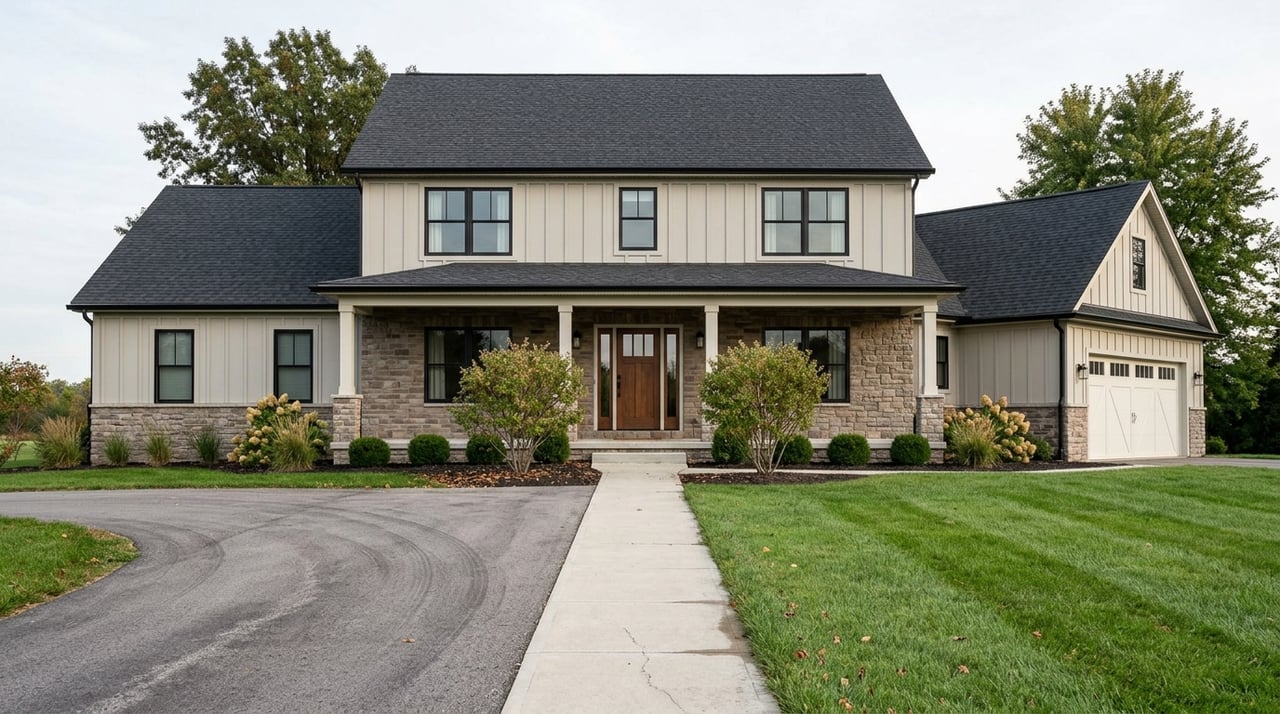
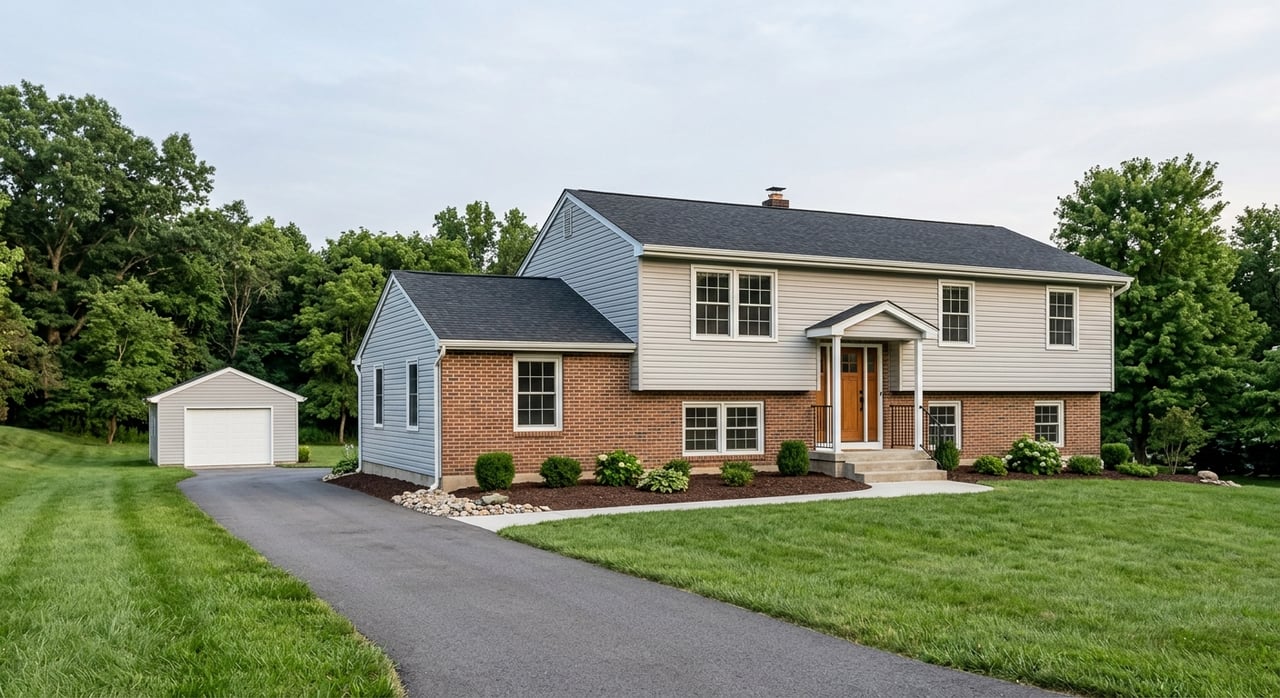
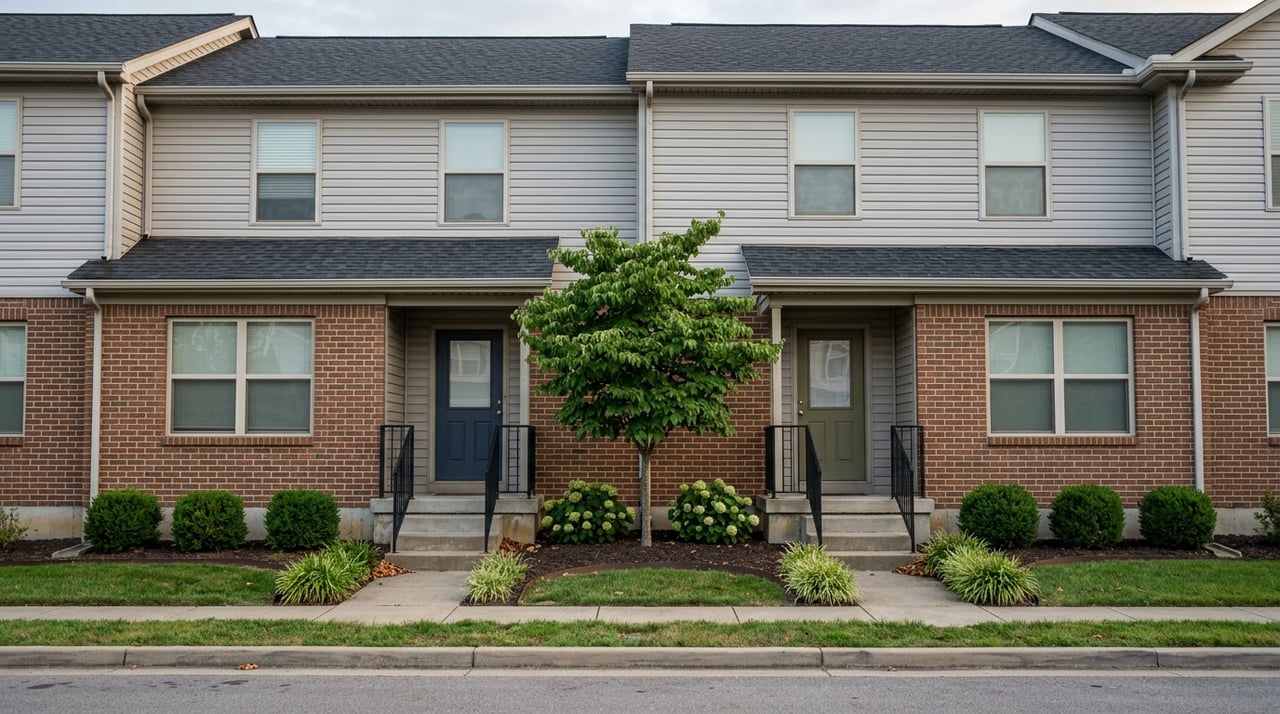
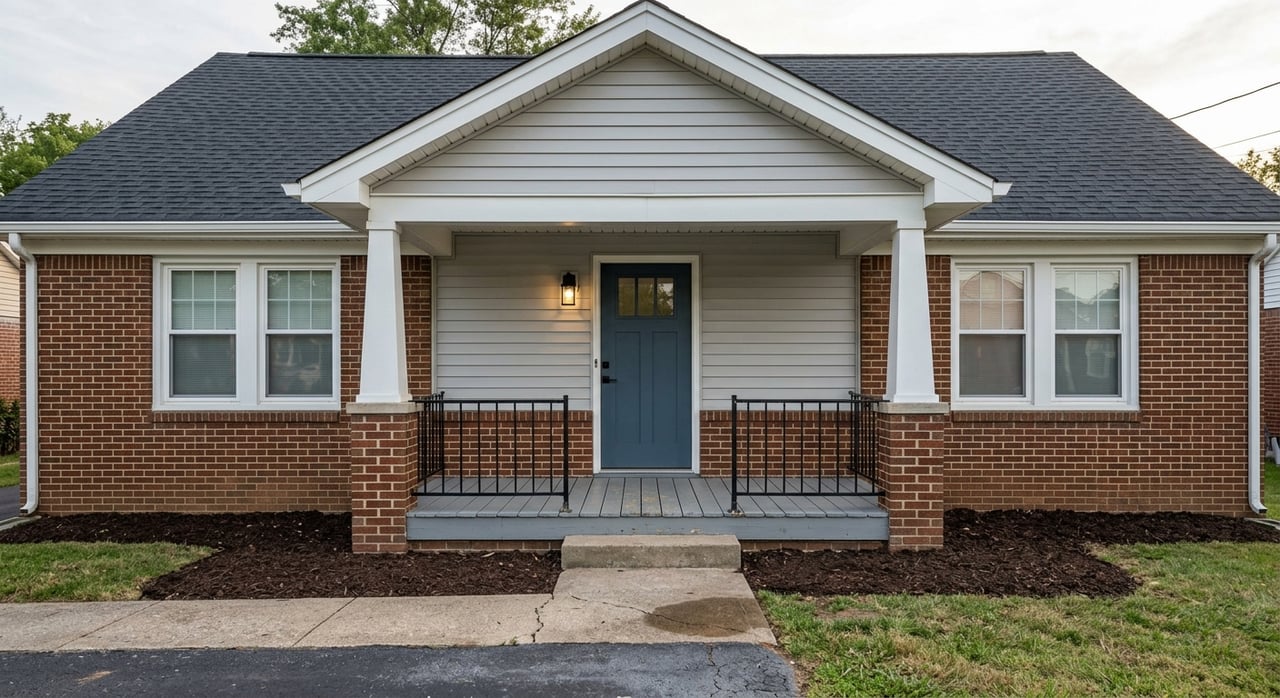
Around Bristol’s arts-focused areas, the housing picture is shaped more by historic homes and loft living than by one uniform neighborhood style. Near downtown, you are most likely to picture one- and two-story frame and brick houses in the historic districts, along with loft apartments and mixed-use buildings in the core.
That mix gives Bristol a historic-and-urban feel near State Street that some buyers may not expect from a smaller Southwest Virginia city. It also helps explain why the city’s preservation work remains such an important part of its identity.
Bristol’s historic-district preservation program recognizes work in Euclid Avenue, Solar Hill, Virginia Hill, Bristol Downtown Commercial, and Bristol Warehouse. For buyers who care about character and continuity, that context can add meaning to the homes and streetscapes you see.
Price Expectations In Bristol
If you are trying to connect lifestyle with budget, it helps to think of Bristol home prices as a range rather than one fixed number. Current data sources show different snapshots of the market, which is normal when each source uses a different method.
In spring 2026, reported figures included an average Bristol home value of $205,235, a median sale price of $209,372 over the prior three months, and a median listing price of $260,000 with a median sold price of $262,500. ZIP-level data on the same source showed about $244,000 for 24201 and about $359,900 for 24202.
The practical takeaway is simple: pricing can vary based on location, renovation level, and housing type. If you are comparing a downtown loft, a restored historic home, and a property farther from the core, you should expect those differences to matter.
How To Choose The Right Area
The best Bristol neighborhood for arts and culture depends on how you want that lifestyle to show up in your week. Some buyers want to walk to venues and events, while others are happy to drive in for concerts, museum visits, and seasonal festivals.
Here are a few simple ways to narrow it down:
- Choose Downtown Bristol if walkability and immediate access matter most.
- Consider Solar Hill if you want a residential historic setting very close to downtown.
- Look at Virginia Hill if you like older homes and want to stay near the cultural core.
- Explore Euclid Avenue if architectural variety is a big part of your search.
- Keep broader Bristol areas in mind if you want more location flexibility and can rely on driving or transit.
A good neighborhood match is not just about distance. It is also about the kind of home you want, how often you plan to enjoy downtown, and whether you prefer loft living, historic housing, or a broader residential setting.
If you want help matching your budget and lifestyle goals to the right Bristol area, Denise Blevins can help you sort through the options with practical local insight.
FAQs
Which Bristol, VA neighborhood is closest to arts and culture?
- Downtown Bristol and State Street offer the closest access to Bristol’s main arts and culture venues, events, galleries, and public gathering spaces.
Is Downtown Bristol walkable for arts and entertainment?
- Yes. Downtown Bristol is described as pedestrian-friendly and is known for walkable access to shops, galleries, theaters, parks, restaurants, and live events.
What cultural attractions define Bristol, Virginia?
- The best-known cultural anchors are the Birthplace of Country Music Museum, Paramount Bristol, Cumberland Square Park, Third Thursdays, and Bristol Rhythm & Roots Reunion.
What types of homes are near Bristol’s arts district?
- Buyers will mainly find historic one- and two-story frame and brick homes in nearby districts like Solar Hill, Virginia Hill, and Euclid Avenue, plus loft apartments in the downtown core.
Are there historic neighborhoods near Downtown Bristol?
- Yes. Solar Hill, Virginia Hill, and Euclid Avenue are all documented historic areas near downtown with notable older homes and architectural variety.
Can you enjoy Bristol arts and culture without living downtown?
- Yes. Broader residential areas can still access downtown through driving or Bristol Transit routes that connect several parts of the city to the downtown core.