Thinking about buying an investment property in Bristol, VA? This market can offer opportunity, but it also rewards careful planning more than guesswork. If you want to buy with confidence, you need to understand local pricing, rental rules, inspection requirements, and the real costs of holding a property. Let’s dive in.
Bristol investment market basics
Bristol is a smaller housing market with a mostly owner-occupied housing base. According to the latest Census QuickFacts estimate, the city had 16,418 residents, 7,226 households, and 8,671 housing units as of July 1, 2025. The owner-occupied housing rate was 63.6%, with a median owner-occupied home value of $184,100, median gross rent of $801, and median household income of $50,404.
Current listing data shows a different view from the resale side. Realtor.com reported a median listing price around $260,000 and 309 active for-sale listings, while Zillow’s Bristol rental summary showed an average rent of $1,500 and 36 available rentals as of June 30, 2026. Put together, that suggests a market where the details of the property matter a lot, especially condition, financing, and realistic rent expectations.
Why conservative underwriting matters
In Bristol, a good investment usually starts with careful math, not big projections. Because inventory, rents, and property condition can vary widely, your success often depends on buying the right property at the right number.
That means you should focus on buy-and-hold fundamentals. Look closely at taxes, likely repair costs, rent potential, vacancy, insurance, and whether the property will need work to meet local rental standards. If the numbers only work under a best-case scenario, that is a sign to slow down.
Bristol property types to consider
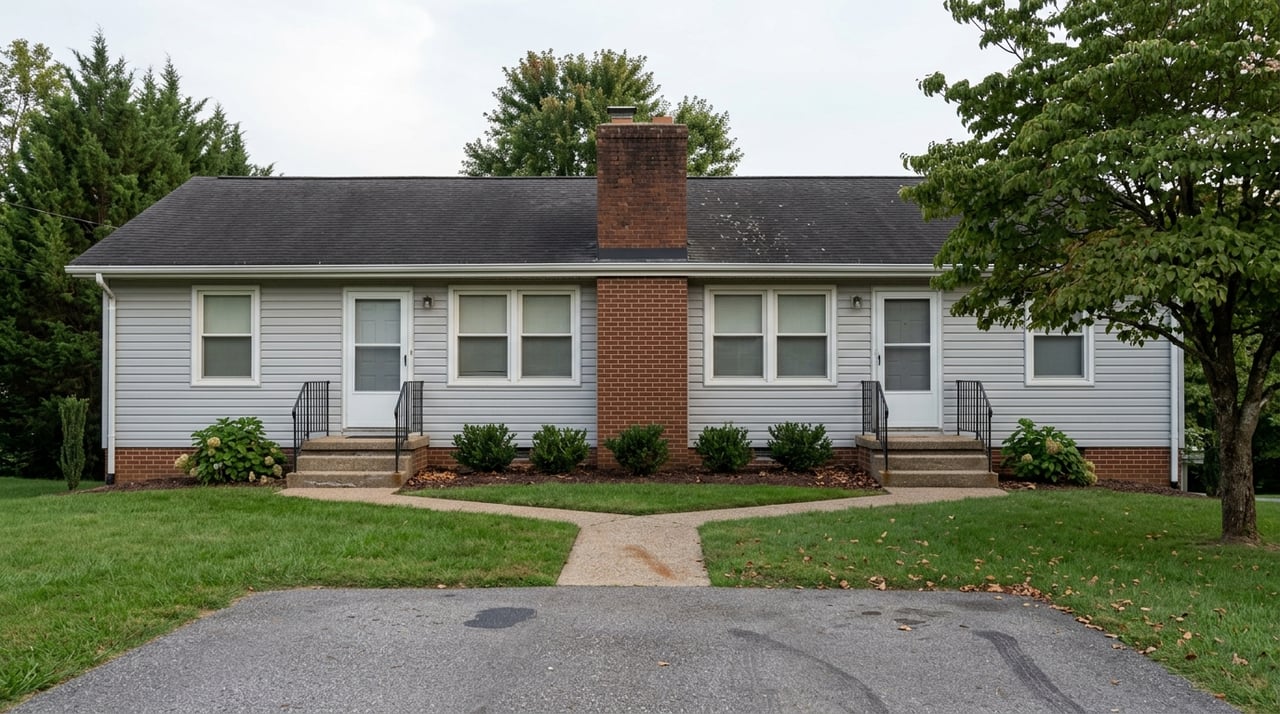
For many buyers, the most practical options are single-family rentals and smaller multifamily properties. Bristol’s rental inspection rules apply to residential rental dwelling units, and the city specifically references multifamily structures such as apartments, buildings, and houses with multiple units.
That does not mean every property performs the same way. Zillow’s Bristol rental summary showed asking rents ranging from about $800 to $4,902, which highlights how much rental income can change based on bedroom count, finish level, location, and amenities. Two homes with similar square footage can produce very different results depending on updates and layout.
Older properties need extra diligence
If you are looking at an older home or a value-add opportunity, be especially careful. Bristol says its rental inspection districts were chosen in part because they include areas with the highest complaints, the highest number of rental units, and some of the oldest city housing.
That is a useful signal for investors. Older homes may still be strong long-term assets, but they often need a closer review of systems and deferred maintenance before you commit. A lower purchase price can lose its appeal quickly if the roof, drainage, HVAC, or electrical work turns into a major project.
What Bristol rental inspections cover
Bristol’s inspection checklist is broad, which matters when you are estimating rehab costs. The city’s checklist covers:
- Structural members
- Electrical systems
- Water supply
- Sewer drainage
- Roofs and drainage
- HVAC systems
- Water heaters
If a property shows signs of neglect in any of these areas, build in repair reserves from the start. It is much better to underwrite with room for repairs than to assume a property is rent-ready just because it looks acceptable at first glance.
Understand Bristol’s rental inspection program
Before you buy, find out whether the property is already part of Bristol’s rental inspection process and whether it has a valid rental certificate. The city requires interior and exterior inspections of certain rental units in two established districts when a unit is offered for rent and every four years afterward.
Property owners can also request an inspection outside those districts. The rental certificate of occupancy costs $50 and is valid for four years, while registration is free. The city says failure to register can lead to a $50-per-day fine, and unresolved violations can lead to court fines of up to $2,500.
Some corrections may also require a building permit and a licensed contractor. If you are buying a property that needs work, it helps to have local contractor relationships lined up before closing.
Know Virginia landlord rules before you buy
Virginia’s Residential Landlord and Tenant Act applies statewide to single-family and multifamily dwelling units, with certain carve-outs for some transient lodging arrangements. If you plan to rent out a residential property in Bristol, you should understand these baseline rules before you make an offer.
A few practical points matter right away for investors. Virginia generally caps the security deposit at two months’ periodic rent, requires a deposit disposition statement within 45 days after move-out, gives the tenant the right to request a move-out inspection within 72 hours of delivery of possession, and caps most application fees at $50.
These rules affect how you screen, lease, and manage the property. Even if you plan to hire a property manager, knowing the framework helps you estimate operating procedures and avoid surprises.
Verify Bristol tax numbers carefully
One of the most important steps in underwriting a Bristol investment property is confirming the current real estate tax rate. City documents currently conflict. The FY27 budget shows a rate of $0.93 per $100 of assessed value, while a separate city tax-rate information sheet lists $1.17 per $100 based on fair market value.
Bristol says real estate taxes are due June 5 and December 5. The taxes are assessed to the owner of record as of January 1, and they are generally prorated between buyer and seller as a private settlement matter. Before you rely on any estimate, verify the active rate with the Commissioner of the Revenue.
A simple cash flow example
Here is a basic example of why tax verification matters. On a $200,000 purchase, annual real estate tax would be about $1,860 at the $0.93 rate or about $2,340 at the $1.17 rate.
If the property rents for $1,500 per month, that is $18,000 in annual gross rent before vacancy, repairs, insurance, management, and debt service. That gap in taxes may not seem huge at first glance, but it can affect your yearly returns, especially if the property also needs maintenance work.
Bristol’s budget materials also say citywide real-estate reassessment occurs every four years. That means your tax bill may change during your ownership period, so it is wise to think beyond year one when you evaluate long-term cash flow.
Build your team before closing
A strong investment purchase usually comes down to preparation. In Bristol, that means assembling the right local team early so you can move with clarity instead of scrambling after contract.
Try to line up these contacts before closing:
- A local lender
- A home inspector
- A licensed contractor
- A property manager, if you do not plan to self-manage
- A local real estate professional who knows Bristol inventory and pricing
This matters even more if you are buying from out of town. When you already have trusted people in place, it becomes easier to evaluate repair needs, estimate timelines, and make decisions quickly.
A smart Bristol buying checklist
If you want a practical path forward, start with a disciplined checklist. Before you buy an investment property in Bristol, VA, make sure you:
- Confirm the current real estate tax rate with the city
- Estimate rent using comparable local rentals, not just broad averages
- Ask whether the property has a valid rental certificate of occupancy
- Review whether the property is in one of the city’s rental inspection districts
- Inspect the roof, drainage, HVAC, electrical, and water systems carefully
- Set aside repair reserves for older or maintenance-heavy homes
- Understand Virginia deposit and application fee rules
- Plan for vacancy, insurance, and management in your cash flow
- Build a local team before the closing date
This kind of approach is not flashy, but it is often what protects your investment. In a market like Bristol, steady decision-making can be more valuable than chasing a perfect deal.
Final thoughts on Bristol investing
Buying an investment property in Bristol, VA can make sense if you stay grounded in the numbers and pay attention to local requirements. The market offers a mix of price points and rental possibilities, but rentability, condition, and compliance can vary more than surface-level listings suggest.
If you want help evaluating Bristol properties, comparing opportunities, or navigating the local market with a practical strategy, Denise Blevins can help you take the next step with clear, local guidance.
FAQs
What makes Bristol, VA different for investment property buyers?
- Bristol is a smaller, mostly owner-occupied market where property condition, rental compliance, and realistic underwriting can matter more than speculation.
What property types work best for Bristol, VA investors?
- For many buyers, the most practical targets are single-family rentals and smaller multifamily properties, since rent potential and upkeep can vary widely by property type and condition.
What should you inspect before buying a rental in Bristol, VA?
- You should closely inspect structural components, electrical systems, water supply, sewer drainage, roofs and drainage, HVAC systems, and water heaters.
What rental rules should Bristol, VA landlords know?
- Investors should understand Virginia’s landlord-tenant rules on security deposits, deposit return timing, move-out inspection rights, and application fee limits, along with Bristol’s local rental inspection requirements.
How do property taxes affect Bristol, VA investment property returns?
- Bristol city documents show conflicting tax rates, so you should verify the active rate before underwriting because taxes directly affect your annual cash flow and long-term return.
Should you buy an older investment property in Bristol, VA?
- You can, but older properties deserve extra diligence because maintenance and inspection-related repairs may be more significant than they first appear.