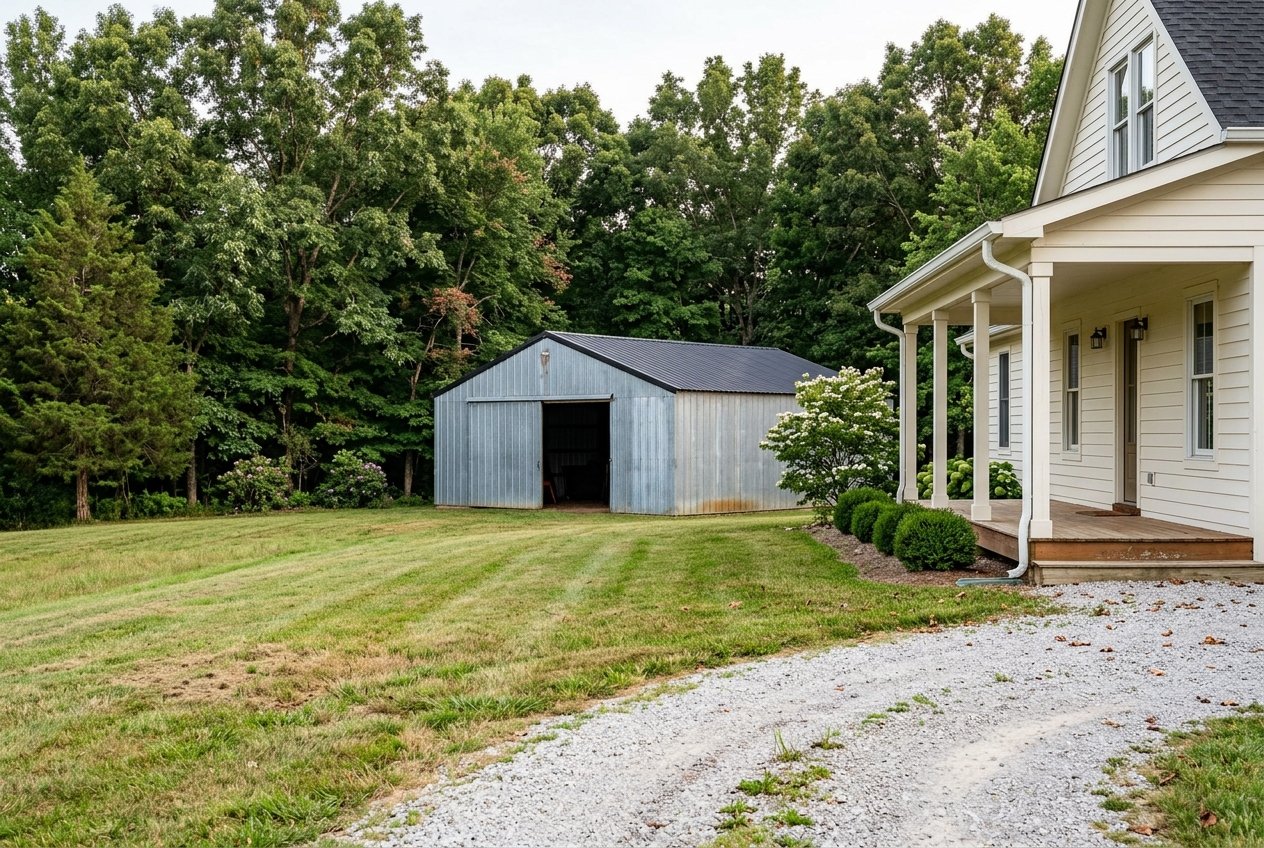
Selling acreage in Tazewell County is not the same as selling a house on a small lot. Buyers are not just looking at a home. They are weighing pasture, water, access, outbuildings, future use, and the overall feel of the land. If you want the best result, you need a marketing plan that shows exactly what your property offers and backs it up with clear details. Let’s dive in.
Start With the Land’s Real Story
In Tazewell County, land carries a different kind of value. This is a large rural county in Southwest Virginia with 518.79 square miles of land, a 2025 population estimate of 38,635, and a population density of 77.9 people per square mile. That setting matters because buyers are often drawn to the county’s scenic Appalachian character, outdoor recreation, and rural lifestyle.
Agriculture is also a real part of the local market. The 2022 Census of Agriculture shows 500 farms and 123,581 acres in farms in Tazewell County, with an average farm size of 247 acres. Pastureland makes up 57% of farm land use, followed by woodland at 22% and cropland at 19%.
That means your marketing should go beyond saying, “This property has 80 acres” or “This farm has great views.” Buyers want to know what the land can actually do. In this county, that often means showing whether the property works best for grazing, homesteading, recreation, timber, or a mix of uses.
Price by Property Components
Acreage and farm properties are rarely priced well with a simple price-per-acre formula. In Tazewell County, buyers usually look at a combination of pasture quality, soil capability, water sources, road frontage, fencing, barns, timber, and whether there is a practical homesite or future division potential.
The strongest pricing strategy breaks the property into its parts. That gives buyers a clearer picture of value and helps you avoid leaving money on the table. It also makes your listing easier to understand for people comparing very different types of rural properties.
What buyers often value most
- Productive pasture or hay ground
- Woodland and possible timber value
- Ponds, creeks, springs, or other water features
- Fencing and cross-fencing
- Barns, sheds, and other usable outbuildings
- Road frontage and ease of access
- Homesite potential
- Existing home, if there is one
- Recreational appeal such as trails, views, or privacy
- Restrictions that affect future use
If your land offers more than one use, your marketing should reflect that. A parcel might appeal to a cattle buyer, a homestead buyer, and a recreational land buyer at the same time, but only if the listing explains those possibilities clearly and factually.
Verify the Details Before Listing
With rural property, missing information can slow a sale fast. Strong acreage marketing starts before photos are taken or the listing goes live. You need to confirm what you are selling, what supports the value, and what a buyer may need to know upfront.
Tazewell County’s GIS system is useful, but the county states that its parcel data are public records, subject to constant change, and accuracy is not guaranteed. That is why a current survey can be so important for acreage and farm listings.
Pre-listing items worth gathering
- Recent survey, if available
- Deed and legal description
- Boundary and access information
- Septic permits, as-built drawings, and maintenance records, if available
- Well records, if available
- Barn, fencing, and improvement details
- Information on easements or deed restrictions
- Floodplain information if applicable
- Soil information that supports land use
This kind of prep helps buyers feel more confident. It also helps reduce confusion about acreage, corners, encroachments, and access points.
Know the Tazewell County Limits
Good marketing is not just about what the property has. It is also about being honest and clear about what the property can and cannot do. That matters a lot in Tazewell County because local conditions can shape a buyer’s plans.
The county comprehensive plan notes that floodplain construction should be discouraged and that karst features can be severe limiting factors for development. It also says there is no zoning outside the corporate limits of the county’s five municipalities, so use potential often depends on subdivision rules, health rules, deed restrictions, and any town-level ordinances where applicable.
Why this matters for your listing
If a buyer hopes to build, divide, or improve the land, they will likely want answers early. A stronger listing anticipates those questions instead of waiting for them to come up later.
For example, Tazewell County says the Planning Commission must approve real-property divisions that create three or more lots, create a parcel of less than five acres, or further divide a lot within an existing subdivision. The county also states that land disturbance of 10,000 square feet or more requires screening with the county engineering office, and disturbance of one acre or more requires a stormwater permit from the Virginia Department of Environmental Quality.
You do not need to overload your listing with technical language. You do need to market the property in a way that is accurate, practical, and easy for buyers to follow.
Address Easements and Restrictions Early
If your acreage is subject to a conservation easement or a development-rights program, that should never be buried in the fine print. Tazewell County’s comprehensive plan explains that tools such as Transfer of Development Rights and Purchase of Development Rights may be used to protect farmland, forestland, and sensitive environmental areas, and these programs permanently restrict future industrial, commercial, and residential development rights.
That does not automatically make the property less appealing. It simply changes the buyer pool and the value conversation. For some buyers, protected land and long-term preservation are positives. For others, limited future development options may reduce interest.
The key is simple: say it clearly from day one. Honest positioning builds trust and helps attract the right buyer faster.
Use Soil, Water, and Utility Records Wisely
On rural property, basic utility information is often a major part of the sale. Buyers may want to know whether the land has a private well, septic system, usable soils, or water features that support farm or lifestyle use.
Virginia Department of Health says it does not require septic inspections before a property transfer and does not require activities in connection with buying or selling property with septic systems. It recommends that buyers review permits, inspection reports, operation permits, as-built drawings, maintenance records, and deed records.
For private wells, VDH says it does not test private wells and does not require private-well water testing for home purchases, though lenders may require inspections or testing. That means documentation can make your listing stronger even when state rules do not require it.
Helpful supporting documents
- Septic permit paperwork
- Septic maintenance or pumping records
- Well construction records
- Water test results, if available
- Soil maps or soil reports
- Notes on pasture condition or current farm use
USDA NRCS says the Web Soil Survey provides soil data for land-use and management decisions, and Virginia Tech Extension notes that soil tests help determine fertilizer and lime needs and interpret soil fertility. For sellers, this information can help support how the land is currently used and how buyers may evaluate it.
Show the Property Visually
Acreage is hard to understand from a few ground-level photos. The best rural listings help buyers see shape, scale, access, and layout right away. That is why strong visual marketing is one of the biggest advantages you can create.
In Tazewell County, the best visual story often includes aerial images, boundary overlays, road frontage, pasture views, water features, fencing, barns, and possible homesite areas. Those visuals help buyers picture whether the property fits their goals.
Photos and video should highlight
- Field layout and topography
- Access roads and entry points
- Road frontage
- Creeks, ponds, or springs
- Fence lines and gate locations
- Barns, sheds, and working features
- Woodland edges and open ground
- Long-range mountain or valley views
- Relationship between the house and the land, if improved
Drone marketing can be especially effective for acreage, but it needs to be handled properly. The FAA says taking photos to help sell a property is non-recreational drone use, which means Part 107 applies, and commercial operators need a Remote Pilot Certificate and drone registration for Part 107 operations.
Match the Message to the Right Buyer
Not every acreage buyer is looking for the same thing. Some want working pasture. Some want a horse property. Some want a private homesite with room to spread out. Others are looking for a rural retreat or a long-term land investment.
That is why your marketing should identify the best-fit story for the property. In Tazewell County, lifestyle positioning often works well because of the county’s Appalachian scenery, outdoor recreation, and rural setting. At the same time, practical use still matters, especially in a market where livestock and pasture are such a major part of the agricultural base.
Common positioning angles
- Working farm
- Grazing property
- Horse property
- Homestead opportunity
- Recreational tract
- Timber and mixed-use land
- Rural estate or retreat
The best listings balance lifestyle appeal with hard facts. You want buyers to imagine the property, but you also want them to understand it.
Combine Digital Reach With Local Exposure
Online marketing matters in Tazewell County, but it should not be your only strategy. The USDA county profile shows 71% of farms have internet access, and Census QuickFacts shows 85.4% of households have broadband subscriptions. That supports a strong digital approach, but it also suggests some likely buyers and sellers may not be fully digital-first.
For acreage and farm listings, broad online exposure should be paired with local outreach and direct promotion to likely buyer groups. That can include local agricultural buyers, equestrian buyers, relocation clients, and out-of-area land buyers looking for Southwest Virginia property.
This is where experienced marketing matters. A polished online presentation helps capture distant buyers, while local knowledge helps put the property in front of people who already understand the area and the land.
Answer Buyer Questions Up Front
The faster a buyer understands your property, the stronger your listing becomes. One of the best ways to market acreage is to answer the obvious questions before the buyer has to ask them.
Questions your listing should cover
- Is the land mostly pasture, woodland, cropland, or a mix?
- Is there a current survey?
- Do deed, GIS, and known boundaries line up?
- What kind of access does the property have?
- Are there floodplain or development concerns?
- Can the land likely be divided under county rules?
- Are there septic, well, or maintenance records available?
- Are there easements or deed restrictions?
- What is the best use story for this parcel?
When your marketing answers these questions clearly, buyers spend less time guessing and more time seeing the value.
Why the Right Marketing Matters
Acreage in Tazewell County deserves more than a basic listing sheet and a few wide photos. The strongest farm and land marketing connects productive value, legal clarity, and lifestyle appeal in a way buyers can understand.
That takes local knowledge, honest pricing, and a presentation built around the property’s actual strengths. If you are preparing to sell acreage, farm property, or rural land in Southwest Virginia, Denise Blevins can help you position it thoughtfully, market it professionally, and reach the right buyers.
FAQs
How should you price acreage in Tazewell County?
- The best approach is usually to price the property by its components, including productive land, access, water, outbuildings, homesite potential, and any restrictions, rather than relying only on price per acre.
What documents help market a farm property in Tazewell County?
- Helpful documents can include a recent survey, deed, septic and well records, maintenance records, soil information, and details about easements, access, and improvements.
Can you rely on Tazewell County GIS maps for acreage marketing?
- County GIS is helpful, but Tazewell County states that accuracy is not guaranteed, so a professional survey is often valuable for confirming boundaries, acreage, and access.
What should buyers know about dividing land in Tazewell County?
- Tazewell County says Planning Commission approval is required for certain real-property divisions, including those creating three or more lots, parcels under five acres, or further divisions within an existing subdivision.
Are septic inspections required for property sales in Virginia?
- Virginia Department of Health says septic inspections are not required before property transfer, but buyers are encouraged to review permits, records, and other available documentation.
What is the best way to market farm and acreage listings visually?
- Strong visual marketing usually includes aerial images, boundary overlays, access points, pasture and woodland views, water features, fencing, outbuildings, and homesite areas so buyers can understand the property layout quickly.