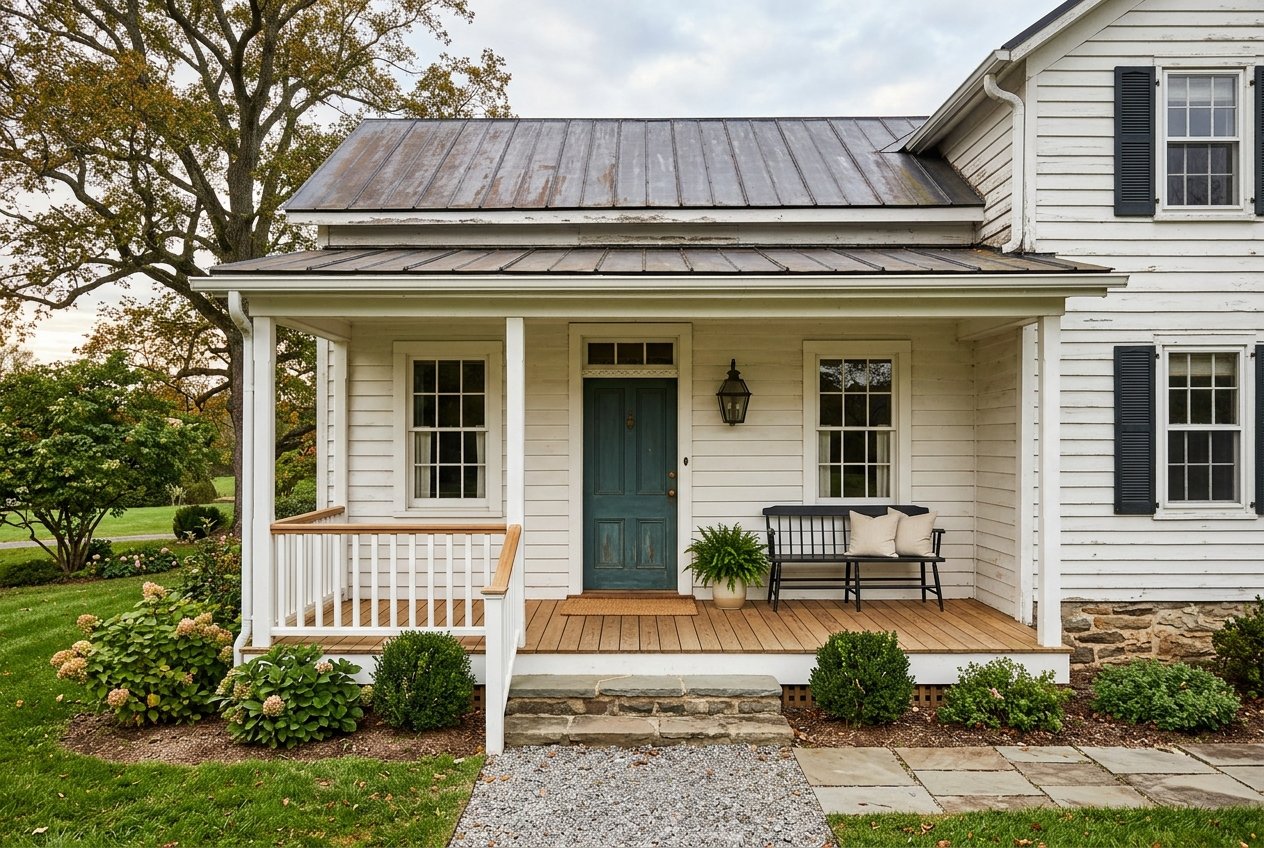
If you are getting ready to sell an older farmhouse or country home in Smyth County, you do not need to strip away its history to make it market-ready. In this part of Southwest Virginia, older homes, acreage, and working land are a normal part of the housing mix, and buyers often want character along with function. With the right staging plan, you can help buyers see both the charm of the home and the practical value of the property. Let’s dive in.
Why staging matters in Smyth County
Staging is about helping buyers picture how a property lives day to day. In the National Association of Realtors 2025 Profile of Home Staging, 83% of buyers’ agents said staging made it easier for buyers to visualize a property as a future home.
That matters even more with older farmhouses and country homes. Smyth County is shaped by mountains, valleys, and rural land use, with low density and terrain that makes views, access, and the relationship between the house and land especially important. According to U.S. Census QuickFacts for Smyth County, the county covers 451.44 square miles and has about 66 people per square mile.
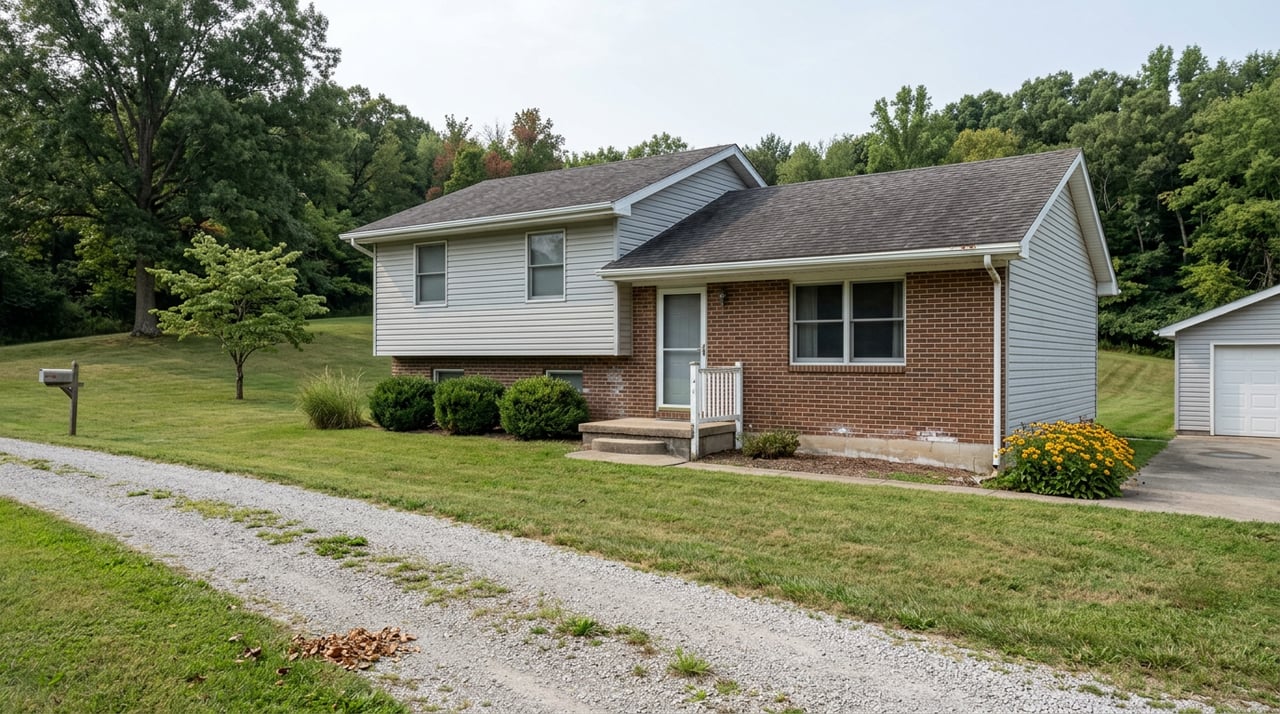
Your home is not competing as a cookie-cutter property. Buyers are often evaluating the full picture, including porches, sight lines, barns, sheds, fencing, and how the home sits on the land.
Keep the farmhouse character
One of the biggest staging mistakes with older homes is trying to make them look brand new. In Smyth County, that can work against you.
The county’s comprehensive plan notes that the area has numerous historic buildings and sites worth preserving, and it also highlights the age of much of the local housing stock. Older homes are part of the market here, so your goal is usually to present original features as cared-for and useful, not outdated.
That means keeping details like:
- Wood floors
- Original trim and doors
- Mantels and built-ins
- Stair railings
- Simple porch details
If these features are in sound condition, let them show. A clean, well-lit room with visible character often lands better than a space that feels over-renovated or disconnected from the home’s style.
Start with the top three rooms
If your budget is limited, focus first on the rooms buyers notice most. The NAR staging report identifies the living room, primary bedroom, and kitchen as the most important spaces to stage.
That is good news for sellers, because it gives you a clear starting point. You do not need to perfect every room before your home can show well.
Stage the living room
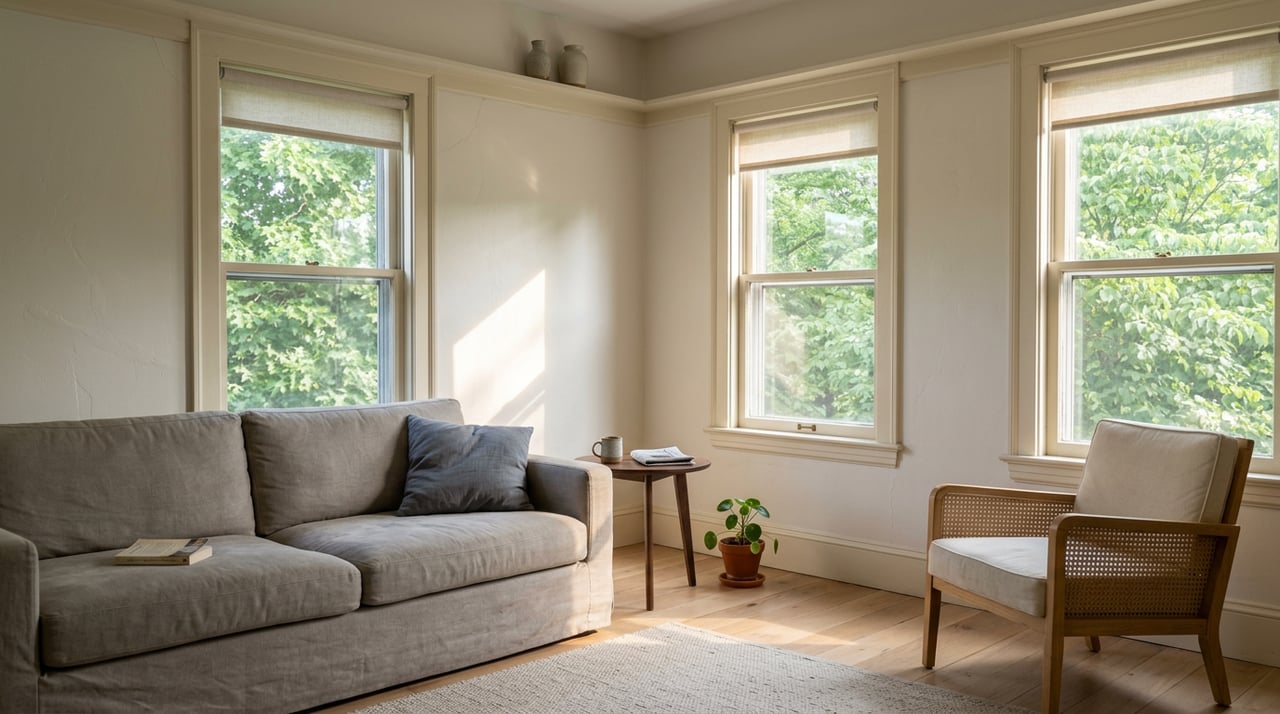
Your living room should feel open, bright, and easy to understand. Remove extra furniture so buyers can see the room’s size and how traffic flows through it.
Keep decor simple and reduce visual noise. Visible cords, crowded shelves, and too many small items can make an older room feel tighter than it is.
Stage the primary bedroom
The primary bedroom should feel restful, clean, and spacious. Use simple bedding, clear off dressers and nightstands, and leave enough open floor area to make movement feel easy.
If the room has older trim, wood floors, or a fireplace, let those features help tell the story. Buyers do not need a magazine set. They need a room that feels calm and well cared for.
Stage the kitchen
In an older farmhouse, the kitchen often carries a lot of personality. That can be a strength if it feels tidy and practical.
Clear the counters as much as possible. Put away small appliances, organize open shelving, and use brighter bulbs so the space photographs well and shows as functional.
Use low-cost updates wisely
In many Smyth County sales, modest improvements make more sense than major remodeling. QuickFacts shows a median owner-occupied home value of $139,600 in Smyth County, which supports a practical approach to pre-listing preparation.
Before you spend heavily, focus on updates that improve presentation without changing the home’s identity.
Smart budget-friendly staging updates often include:
- Neutral paint where color is distracting
- Brighter, consistent light bulbs
- Clean, simple window treatments
- Matching or more consistent hardware where practical
- Deep cleaning of floors, walls, kitchens, and baths
These changes help the home feel fresh in person and in photos. They also tend to deliver more value than expensive projects you may not fully recover.
Treat utility spaces like selling spaces
In a country home, buyers pay attention to the spaces that support everyday rural living. Mudrooms, laundry rooms, pantries, and back entries matter more than many sellers realize.
These rooms should look dry, clean, and organized. If a buyer is thinking about boots, coats, garden tools, feed, laundry, or canning supplies, they want to see that the house handles real life well.
You do not need to decorate these spaces heavily. You just need to make their purpose clear and their condition reassuring.
Stage the land with the house
Smyth County has a strong agricultural footprint. The USDA 2022 county profile reports 568 farms covering 117,159 acres, with an average farm size of 206 acres.
That context matters when you sell a farmhouse or country property. Buyers are not only buying square footage. They are also buying how the land functions.
Organize barns and sheds
Outbuildings do not need to look decorative, but they do need to look intentional. Declutter enough that buyers can understand the scale and purpose of each structure.
If a barn, shed, or workshop is packed wall to wall, buyers may assume there is less usable space than there really is. Clear paths, stack materials neatly, and remove items that make the building feel neglected.
Make fencing and access readable
Straighten gates, clean up fence lines where possible, and make sure access points are easy to follow. If there is a logical place for parking trailers, equipment, or work vehicles, help that area read clearly.
A buyer should be able to walk the property and understand how it works without guessing. That creates confidence.
Show where equipment belongs
Rural properties often come with tractors, trailers, tools, and supplies. Those items are not automatically a negative, but they need a home.
Try to avoid scattered equipment around the house, porch, or driveway. Order signals care, and care is one of the most important things a buyer is looking for in an older country property.
Frame the mountain views
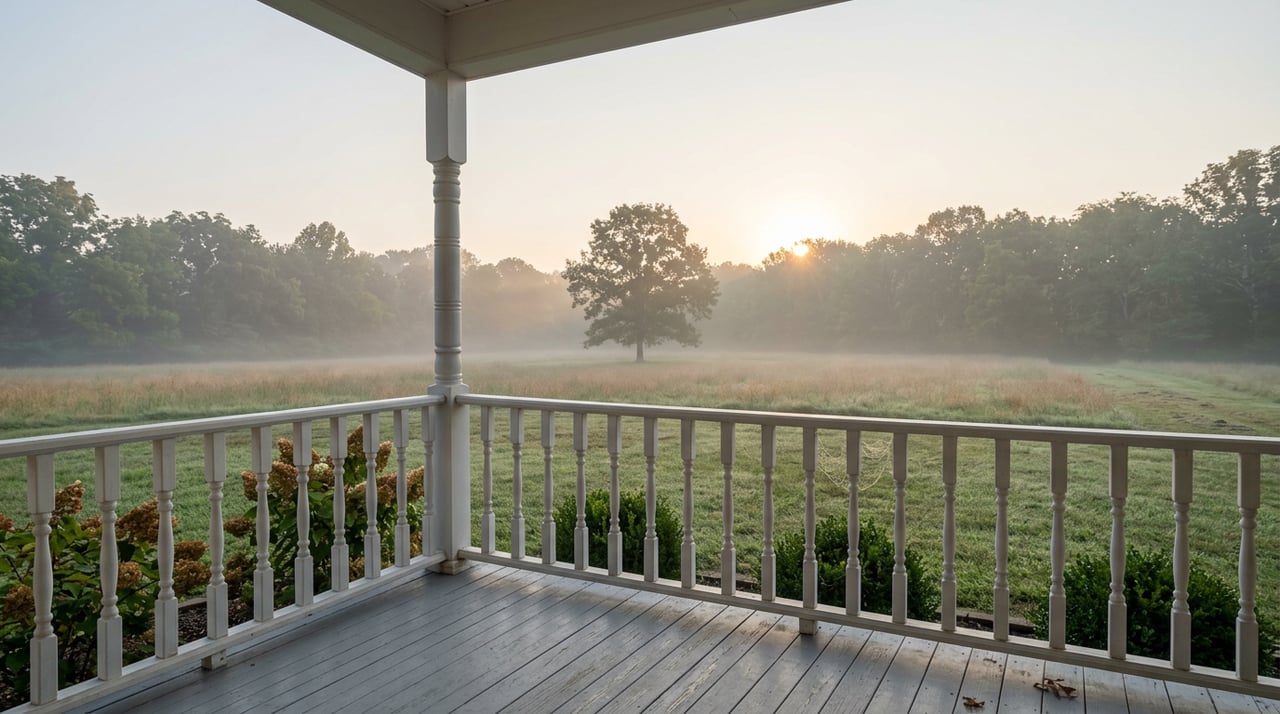
Smyth County’s terrain is a major part of the appeal. The county’s comprehensive plan describes a ridged, valley-shaped landscape, and that setting can become a meaningful selling feature when you stage around it.
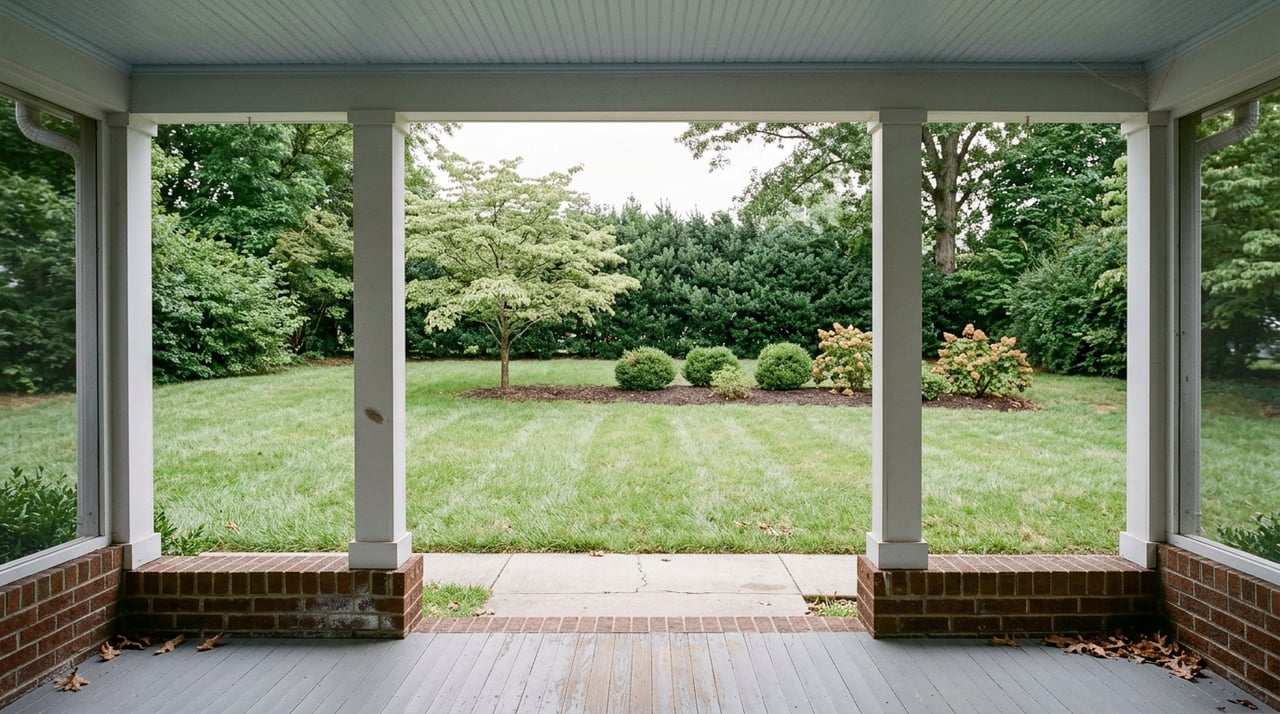
Keep window coverings simple so natural views stay visible. Clear brush close to the house if it blocks key sight lines, and avoid overfilling porches with furniture or decor.
In many farmhouse listings, the porch and the windows are part of the experience. Buyers should be able to stand in the house and immediately connect with the surrounding land.
Prepare for photos and virtual marketing
Staging today is not only about in-person showings. The NAR report found that buyers’ agents rated listing photos, physical staging, videos, and virtual tours as highly important to clients.
That is especially relevant for rural and relocation buyers, who may first experience your property online. Good staging supports stronger photos, better video flow, and a cleaner story from room to room and from house to land.
Before photography day, pay special attention to:
- Porch views
- Window sight lines
- Driveway approach
- Front entry cleanliness
- Mowed and edged lawn areas near the home
- Order around outbuildings
These details help buyers understand the property before they ever step on site.
Time your staging to the season
Weather and elevation can shape how a property shows in Smyth County. According to Virginia Tech Extension’s county analysis, Smyth County averages about 42 inches of rain, with an average last frost around May 15 and first frost around October 15. The county plan also reports notable variation in growing season and weather patterns by location.
That means seasonal staging can make a difference.
Spring and early summer
This is often a strong time to highlight fresh landscaping, green surroundings, and bright interiors. Focus on clean porches, tidy flower beds, and clear views.
After rainy periods, make sure walkways, entries, and porch surfaces are dry and clean before photos or showings.
Fall listings
Fall can photograph beautifully in this region, especially when leaf color supports the setting. The key is to stay ahead of cleanup.
Clear leaves from steps, gutters, porches, and entry paths. Keep the yard looking maintained so seasonal beauty reads as intentional rather than messy.
Know where to spend and where to stop
Many sellers ask how much staging is really worth. The NAR report found that 19% of buyers’ agents saw a 1% to 5% increase in offered value for staged homes, while 30% of sellers’ agents saw a slight reduction in time on market. It also reported a median spend of $1,500 for a staging service and $500 when the agent handled staging.
For many older farmhouses in Smyth County, the smartest path is to start simple. Declutter, clean deeply, improve lighting, stage the top-priority rooms, and make the exterior feel orderly and usable.
You do not need every outbuilding decorated or every old feature replaced. You need the property to feel cared for, functional, and true to the setting.
When you are ready to prepare your farmhouse or country home for the market, working with a local agent who understands rural presentation can help you focus on the updates that matter most. If you want practical guidance on pricing, staging, and marketing your property in Southwest Virginia, connect with Denise Blevins.
FAQs
What rooms should I stage first in an older Smyth County farmhouse?
- Start with the living room, primary bedroom, and kitchen, since the National Association of Realtors reports these are the most important rooms to stage.
Should I modernize original features before selling a country home in Smyth County?
- Not necessarily. In Smyth County, older homes and historic character are a normal part of the market, so well-kept original details like wood floors, trim, mantels, and built-ins can be an asset.
How should I handle barns and sheds when staging a rural Smyth County property?
- Focus on organization and usability. Buyers should be able to see each structure’s size, condition, and purpose without distractions from clutter.
Is professional staging worth it for a farmhouse or country home in Smyth County?
- It can be, but many sellers start with lower-cost steps like decluttering, cleaning, better lighting, and staging the key rooms first. NAR data shows both professional and agent-led staging can support value and marketability.
When is the best time to stage a country home for sale in Smyth County?
- Spring, early summer, and fall can all work well. The best choice depends on your property, but seasonal cleanup, clear views, and weather-ready porches and walkways are important in every listing season.