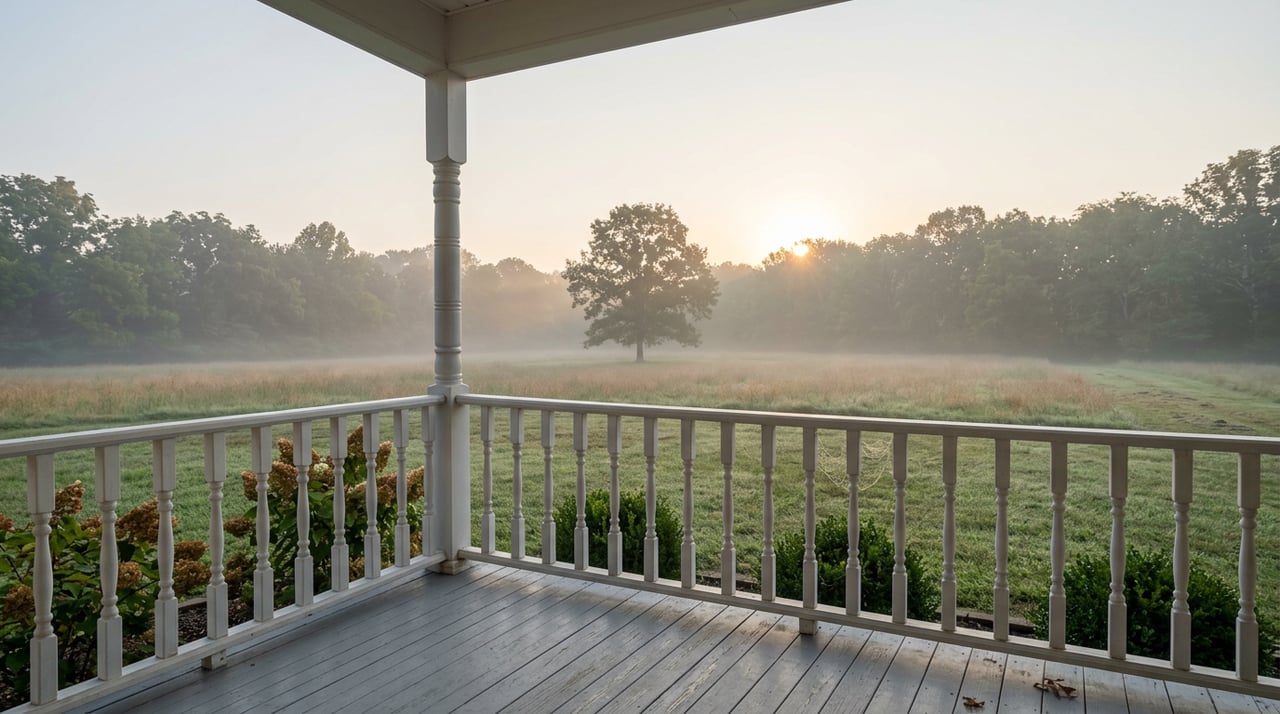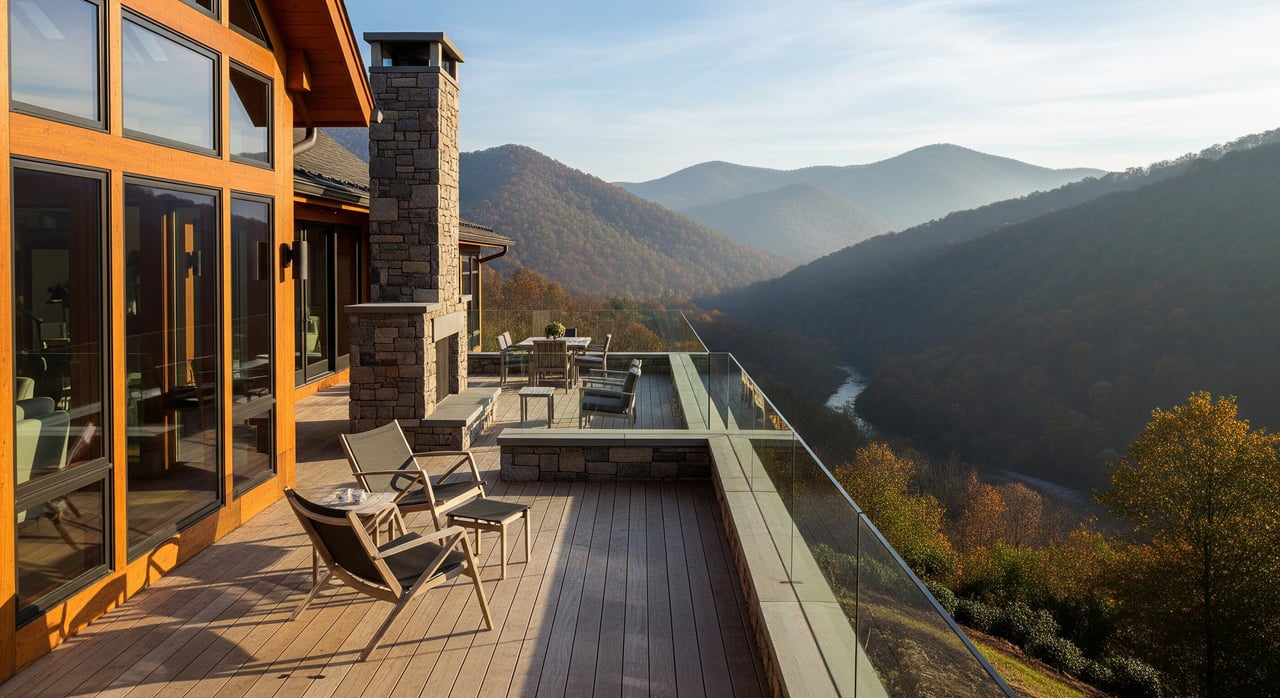
Do you picture mornings on quiet forest trails, afternoons by a mountain lake, and evenings on a porch with a view? If so, Smyth County may fit your life. You get a true four-season landscape with parks, rivers, and national forest access that keep you outside all year. In this guide, you’ll learn where to play, what home features make outdoor living easier, and how to plan for rural ownership. Let’s dive in.
Why Smyth County outdoor life works year-round
Smyth County sits in the southern Appalachian foothills, where forested ridges, valleys, and rolling farms create a natural playground. You’ll find a mix of state park amenities and national forest backcountry, so it is easy to match your day to your mood.
You get four distinct seasons. Summers are warm and humid with long daylight for lake time. Winters can be cold, especially at higher elevations, and occasional snow adds a quiet beauty to local trails. Fall color usually peaks in mid to late October, which is a favorite time for scenic drives and crisp hikes. Spring brings wildflowers and stronger stream flows that anglers watch closely.
Signature places to get outside
Hungry Mother State Park
Hungry Mother is the county’s signature destination for families and casual adventurers. The lake offers swimming and non-motorized boating, with seasonal rentals available. Picnic areas and a beach day are easy wins when friends visit. A network of trails circles the lake and climbs into the forest for short loops or moderate routes.
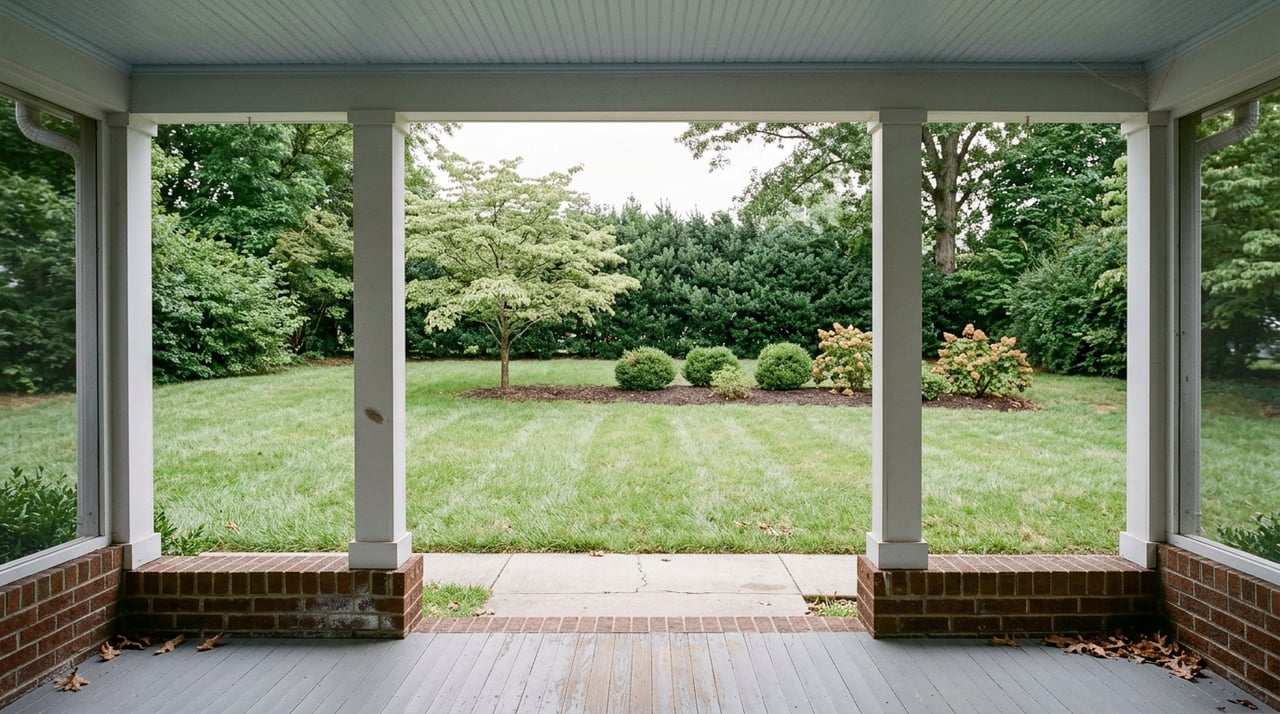
What it means for homebuyers: Living near a state park can shape your weekends in the best way. Proximity makes it simple to fit in a morning run, a kid-friendly hike, or a quick paddle after work. It also makes porches, screened spaces, and guest parking more valuable because you’ll host more.
Jefferson National Forest and Mount Rogers National Recreation Area
The national forest adds a bigger canvas for outdoor days. You’ll find longer trail systems for day hikes and overnight options, scenic drives, and dispersed camping in designated areas. Certain trails allow mountain biking and equestrian use where posted, and high-elevation viewpoints reward the climb. The region also includes trout streams that attract dedicated anglers.
What it means for homebuyers: If you crave privacy and backcountry access, consider acreage with a short drive to national forest trailheads. These properties often appeal to buyers who value room for gear, outbuildings, and a quiet setting.
Rivers, streams, and fishing
Local waters support trout and warmwater fishing. A Virginia fishing license is required for most anglers, and stocking and seasons are managed at the state level. Public access points are scattered and can be limited in some stretches, so you should not assume every riverfront parcel offers launch-ready access.
What it means for homebuyers: Creek or river frontage is highly desirable, but it carries responsibilities. Expect riparian setbacks, possible floodplain overlays, and bank-stabilization needs. If paddling or fishing access is a priority, confirm legal rights, public access points, and any easements before you buy.
Town parks and greenways
You will also find everyday spaces in towns like Marion, Chilhowie, and Saltville. Municipal parks add playgrounds, small sports fields, community trails, and riverwalk-style paths in some areas. These spots host fun runs, festivals, and seasonal gatherings.
What it means for homebuyers: If you want an outdoor lifestyle without managing acreage, look for homes near town parks, sidewalks, and short drives to trailheads. Walkability and quick access can replace large-lot maintenance.
Hunting and wildlife watching
Hunting follows state seasons and license requirements for deer, turkey, and small game. Many private landowners lease or allow hunting. Wildlife viewing is excellent, with white-tailed deer, wild turkey, and forest-edge birding common. Black bear activity can occur in higher or more forested parcels.
What it means for homebuyers: If you plan to hunt or ride horses, evaluate acreage, fencing, access rights, and outbuilding potential. If your priority is gardening or landscaping, plan for wildlife-resistant plantings and practical fencing.
Match your home to your hobbies
The right house makes outdoor living feel natural. Use the checklists below to align your wish list with how you spend your free time.
Must-have features for outdoor households
- Porches and covered outdoor areas for year-round use and easy hosting.
- Mudroom or gear zone with hooks, shelves, and a nearby laundry area for wet or muddy clothing.
- Garage space sized for racks, kayaks, bikes, ATVs, or a small trailer.
- Outbuildings or sheds for tools, tack, and seasonal storage.
- Acreage and land layout that match your goals, whether that is a level play lawn, open pasture, or wooded buffers for privacy.
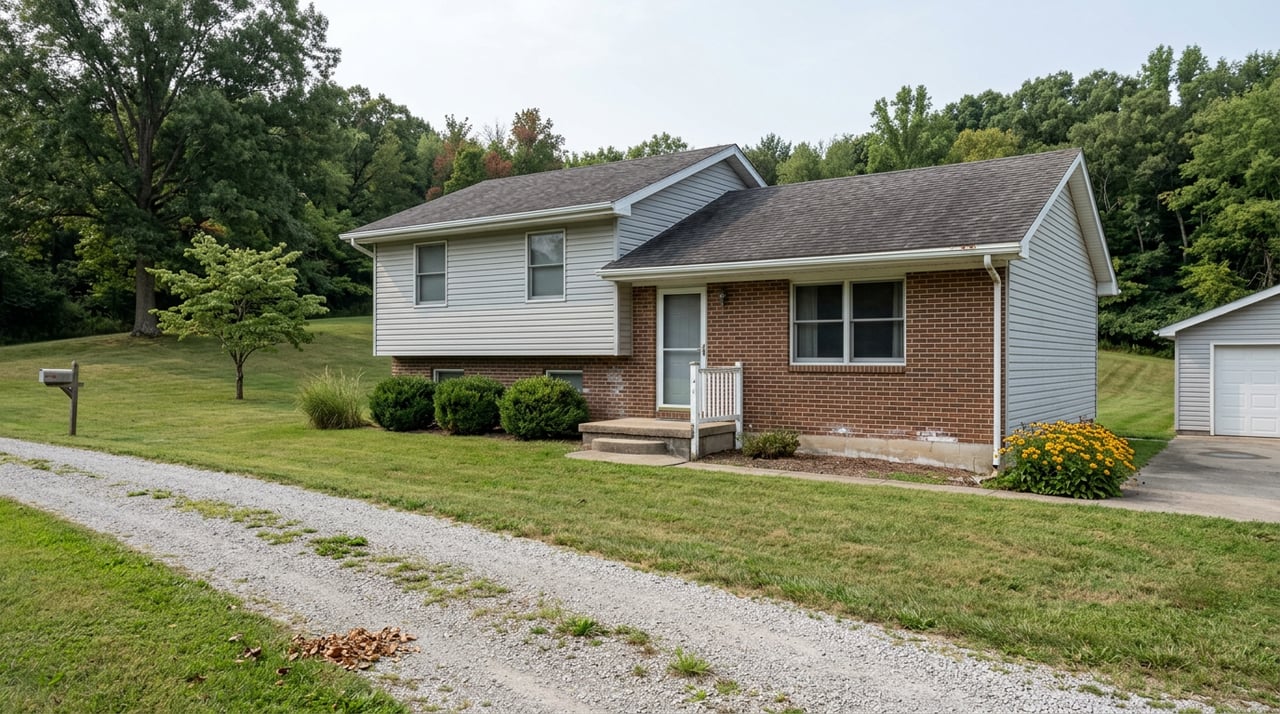
- Driveway safety and access, especially on steeper, unpaved roads. Plan for gravel, drainage, and snow removal in winter.
- Well and septic infrastructure knowledge. Understand inspection, maintenance, setbacks, and replacement timelines.
- Floodplain and riparian considerations. Water access can be a plus, but check for flood insurance needs and building restrictions.
- Utilities and broadband. Remote areas may have limited high-speed options, which matters for remote work.
Zoning, access, and easements to understand
- Road maintenance. Many rural parcels rely on private roads maintained by owners or associations. This affects winter access and heavy-vehicle deliveries.
- Public vs. private water access. Owning stream frontage does not guarantee a public boat launch. Confirm riparian rights, easements, and nearby public access points.
- Hunting permissions and liability. Learn state rules about posted land and consider how you will manage access on your property.
- Building permits and environmental constraints. Steep slopes and riparian zones can trigger added permits. The county planning and building office is your go-to for current rules.
Maintenance and seasonal costs
- Driveway grading and gravel replenishment, plus culvert and drainage upkeep.
- Tree work and vegetation control, including storm cleanup and invasive plant management.
- Regular well and septic servicing.
- Snow removal and, on steeper roads, the potential need for 4WD vehicles or traction plans.
- Pest control and wildlife fencing for gardens or livestock.
Day-in-the-life snapshots
Family-friendly Saturday
You load the car with a picnic, towels, and the inflatable kayak. By mid-morning, you are at the lake for a swim and a short paddle. After lunch in the shade, you head home for quiet time while the kids play in the yard. Dinner is on the screened porch with neighbors dropping by.
Empty-nester weekday
You take an early forest loop for fitness and birdwatching. Back home, boots and trekking poles go straight into the mudroom. After a simple lunch, you run a few errands in town, then end the day with a sunset walk on a local greenway.
Adventure couple
You pack bikes for a longer national forest loop and finish with a scenic overlook. Back at the house, gear goes into wall racks in the garage and clothes hit the laundry room. Friends arrive for a casual potluck on the deck as the stars come out.
Seasonal playbook
- Spring: Wildflower hikes and higher stream flows for anglers. Start garden prep and check drainage after heavy rains.
- Summer: Lake days and evening trail runs. Plan for shaded outdoor dining and extra guest parking for visitors.
- Fall: Peak color in mid to late October. Consider hunting season schedules if you explore forest trails. Great time for porch weather.
- Winter: Quiet, crisp hikes and occasional snow at higher elevations. Budget for snow removal and indoor gear maintenance.
Smart prep and safety
- Expect spotty cell service in some rural pockets. Plan offline maps and clear check-in habits for longer outings.
- Think about emergency access. Make sure address markers and driveways are visible and passable for service vehicles.
- Review insurance. Ask about coverage for flood risk, wells, septic systems, outbuildings, and recreational vehicles.
- Secure storage. Use racks, cabinets, and weatherproof sheds to protect gear and reduce clutter.
Ready to explore listings that fit your life?
If you are dreaming about a home that makes it easy to hike, paddle, hunt, or simply relax on a peaceful porch, you need a local guide who understands both the landscape and the details of rural ownership. With deep Southwest Virginia experience and a practical, client-first approach, Denise helps you match acreage, outbuildings, and access to the outdoor lifestyle you want. When you are ready, reach out to Denise Blevins for a conversation about your goals and a curated tour plan.
FAQs
Can I boat or fish from my Smyth County property?
- Possibly. You need legal riparian rights on your parcel and, for fishing, the required state license. Many public launches are at managed sites, so verify access and any easements before you buy.
How reliable are utilities and internet on rural properties?
- It varies by location. Many homes use private wells and septic systems, and some areas rely on satellite or fixed wireless internet. Confirm providers and coverage during due diligence.
What is it like to maintain a long gravel driveway or private trail?
- Plan for periodic grading, gravel top-ups, drainage management, and tree or brush clearing. Budget these costs and ask about any shared road agreements.
Do I need permits for outbuildings, a well, or a pond?
- Yes. The county planning and building departments guide permits, and projects near streams or steep slopes may trigger added reviews. Check early to avoid surprises.
When is peak fall color and how does that affect home shopping?
- Color typically peaks in mid to late October. It is a popular time for showings and weekend travel, so plan appointments ahead and allow extra time near parks and trailheads.