Are you thinking about buying a rental property in Bristol, Virginia? If so, you are probably trying to answer a few big questions: Is the market active enough, do the numbers make sense, and what kind of rental has the best chance to perform well? Bristol is not a flashy, high-growth market, but it does offer real opportunities for buyers who take a practical, well-researched approach. In this guide, you will get a clear look at Bristol’s rental landscape, where the risks are, and where the strongest opportunities may be. Let’s dive in.
Bristol Rental Market Snapshot
Bristol is a relatively small and established housing market. The city’s estimated population was 16,316 in 2024, and the owner-occupied housing rate was 63.6%, according to the U.S. Census QuickFacts for Bristol city, Virginia. That matters because it helps frame Bristol as a market with a meaningful rental segment, but not one driven by rapid large-scale new development.
Rental pricing in Bristol depends a lot on which data source you are reviewing. Census data for 2020 through 2024 show a median gross rent of $801, while current listing platforms point to asking rents in the mid-$1,500s, including Zillow’s average rent of $1,560 and Realtor.com’s median rent of $1,587, as summarized in the research report. This gap suggests that many existing renters may be in older, lower-cost housing, while active listings reflect a more current and often higher-priced segment of the market.
Why Bristol Draws Investor Interest
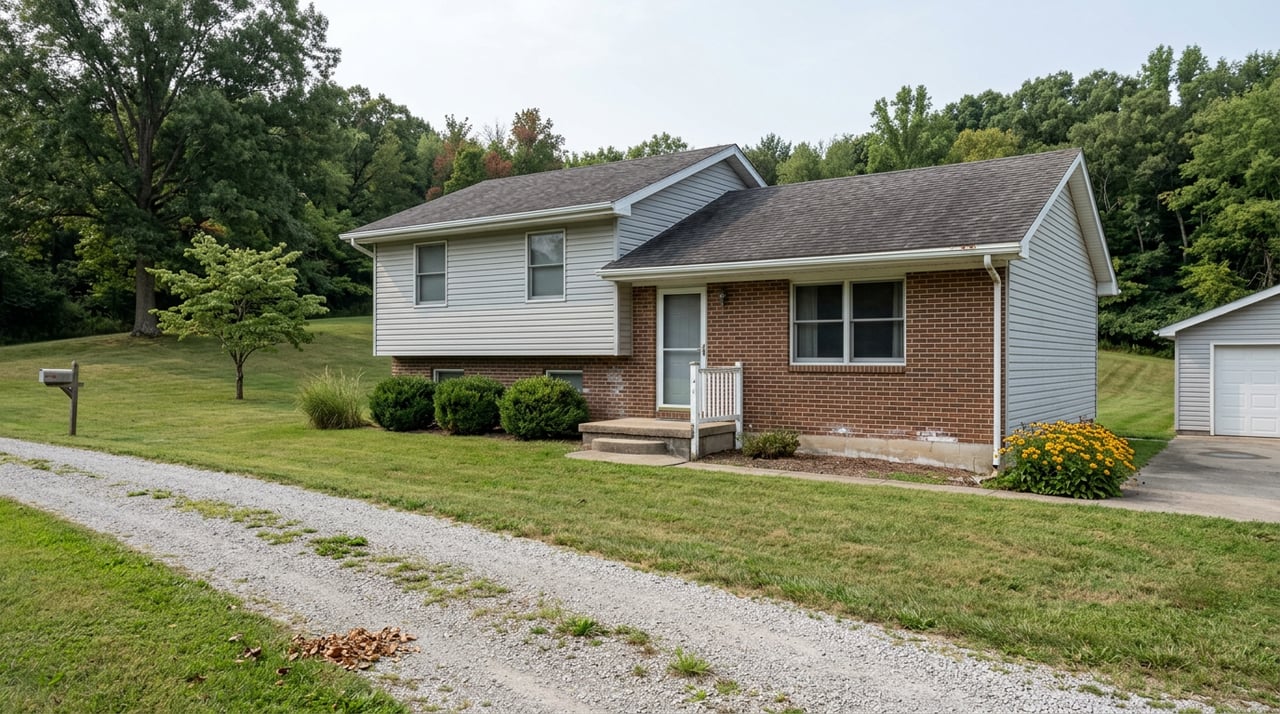
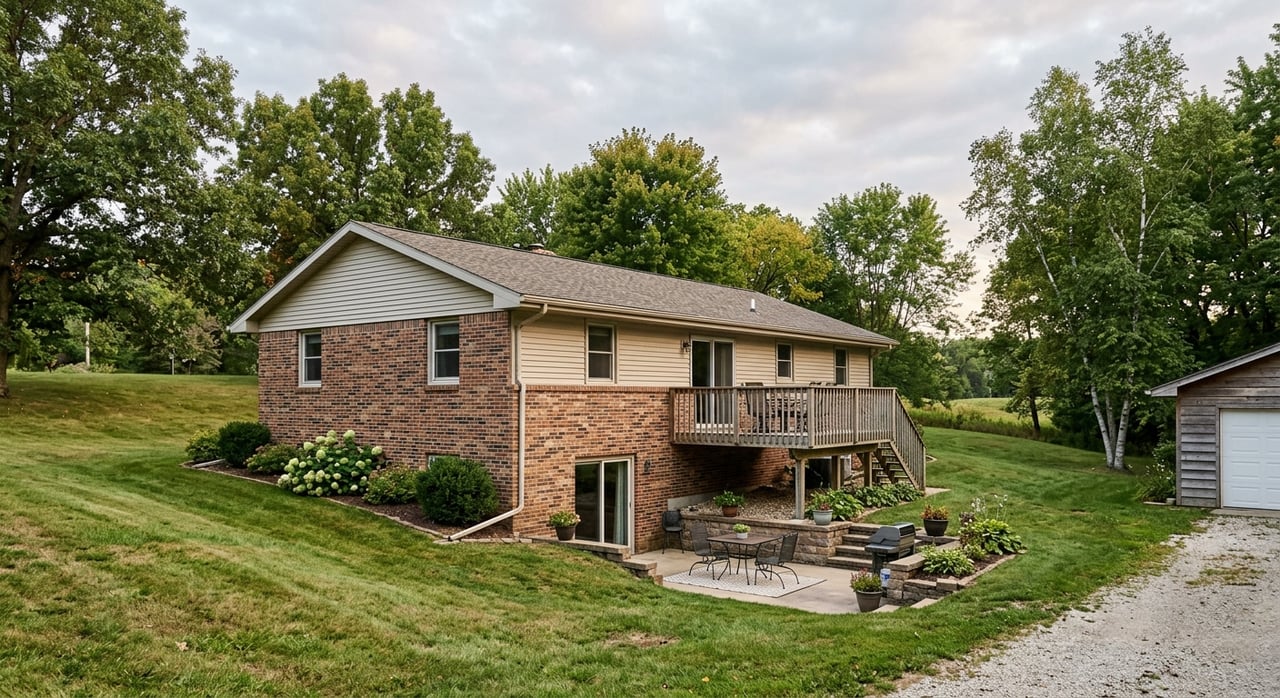
One reason Bristol stands out is that it appears to offer opportunities tied to older housing stock and value-add potential. The city’s 2021 Housing Needs Assessment found a median house age of 56 years, with single-family detached homes still making up much of the housing supply. At the same time, attached housing and multifamily structures in several size categories have been growing.
That same report also noted a sharp drop in annual permits, from an average of 79 per year between 2000 and 2007 to just 15 per year from 2008 to 2019. In plain terms, Bristol has not been flooding the market with new supply. For you as a buyer, that can mean older properties remain a major part of the opportunity set, especially if you are comfortable budgeting for updates and maintenance.
Long-Term Rentals May Offer the Best Fit
For many buyers, long-term rentals look like the clearest opportunity in Bristol. The city’s housing assessment identified 1,001 multifamily units in the submarket, with most described as B/C class product. It also found that 919 of the region’s 1,206 rent-subsidized or rent-restricted units were located in Bristol, reinforcing the idea that a large share of the local rental stock is older and lower cost.
Demand for long-term rentals appears tied closely to affordability. The housing assessment found renter household median income at $23,994 and reported that many renters were cost burdened, with 51% paying more than 30% of income for housing and 24% paying more than 50%. Bristol’s 2020-2024 median household income was $50,404, which helps explain why rent growth can run into affordability limits even when asking rents are higher.
That does not mean long-term rentals are a poor bet. It means you should underwrite carefully. In Bristol, a property with efficient updates, manageable operating costs, and rent levels that align with local incomes may have a stronger long-term position than a heavily renovated property priced at the top of the market.
Vacancy Deserves Close Attention
Bristol is not a market where you should assume every unit will lease instantly. The 2021 housing assessment reported 14% vacant housing units in 2019, and a 2025 draft Consolidated Plan cited in the research report says the city’s current vacancy rate of available housing units is 15%. That is meaningful.
For you, vacancy is both a caution flag and a possible opening. Higher vacancy can increase turnover risk and make tenant selection more important, but it can also create room for repositioning older properties that have been under-managed or under-improved. If you are evaluating a deal, it is smart to build in conservative assumptions for lease-up time, repairs, and reserves.
Older Homes Can Create Value-Add Potential
Because Bristol’s housing stock is older, many rental opportunities may involve homes or smaller multifamily properties that need work. That can be a plus if you know how to budget for repairs and prioritize improvements that matter to tenants. Cosmetic updates alone may not be enough if a property also needs work tied to systems, safety, or code compliance.
The city’s housing profile suggests this is not a plug-and-play market. Instead, it may reward buyers who can purchase below replacement cost and improve a property thoughtfully. In many cases, steady, durable improvements and realistic rent expectations may outperform a more aggressive renovation strategy.
Bristol Rental Rules to Know
Before you buy, it is important to understand local requirements. Bristol operates a rental inspection program for certain units in two established districts. The city states that inspections occur when a unit is offered for rent and then every four years, rental registration is free, and a rental certificate of occupancy costs $50 and remains valid for four years.
The city also notes that failing to register can lead to a $50-per-day fine. That means compliance is not something to leave for later. If you are considering a property in an area covered by the program, confirming inspection and registration requirements early can help you avoid delays and unexpected costs.
Property Taxes and Operating Costs
Property taxes in Bristol are an underwriting item you should include from day one. The city’s FY2025/2026 budget materials list the real estate tax rate at $0.93 per $100 of assessed value, with payments due June 5 and December 5. That rate may not be the headline issue in most deals, but it still affects cash flow.
More importantly, operating costs in Bristol may be shaped by the age of the property. Older homes often need more reserve for deferred maintenance, repair cycles, and code-related improvements than newer housing. If you are comparing properties, a lower purchase price does not always mean a lower true cost of ownership.
Mixed-Use Properties Have a Niche Opportunity
If you are looking beyond standard residential rentals, Bristol does offer some incentive-driven possibilities. According to the city’s Enterprise Zone Program, the enterprise zone covers 634 acres and provides real-property investment grants for industrial, commercial, and mixed-use property. The city defines mixed-use as a building with at least 30% of usable floor space devoted to commercial, office, or industrial use.
The city also offers a rehabilitated real-estate tax exemption for older structures. For the right buyer, this could make a downtown or mixed-use project more appealing. Still, these properties require careful review of use, layout, renovation scope, and eligibility, so they tend to fit buyers who want a more hands-on project.
What About Short-Term Rentals?
Short-term rentals are part of Bristol’s market, but they do not appear to be the easiest path to strong returns. AirDNA data cited in the research report show 180 vacation rentals in Bristol, estimated annual revenue of $17.6K per listing, occupancy of 43%, and an average daily rate of $180.4. Most listings are entire homes, and about half have minimum stays of 30 or more nights, which suggests the market includes a meaningful mid-term or extended-stay segment.
Older city research pointed to a much smaller short-term rental market with stronger occupancy, but the research report makes clear that the earlier city data and current AirDNA figures are not directly comparable. What matters most for you is that current supply appears much more competitive than it once did. In other words, this is not a market where you should assume easy weekend-booking income.
Why Short-Term Demand Exists
Even with more competition, Bristol does have real visitor demand drivers. The city’s About Bristol page highlights its location on the state line, access to Interstate 81, the Mendota Trail, South Holston Lake, the Birthplace of Country Music, and ongoing downtown and event activity. Those features can support overnight and mid-term stays, especially for well-located properties near downtown or the interstate corridor.
Still, demand drivers alone do not guarantee performance. A short-term rental in Bristol likely needs careful location selection, realistic occupancy assumptions, and strong operations to compete well. If you are considering this strategy, conservative projections are especially important.
STR Rules and Taxes Matter
Short-term rental buyers should also pay close attention to local oversight. Bristol’s code enforcement office states that it monitors short- and long-term rentals, along with zoning, land use, building codes, and public nuisance issues. The city’s tax information also lists a 15% transient occupancy tax, which can materially affect short-term rental math.
The research report also notes draft short-term rental ordinance language included in city council materials that would require registration before advertising, owner-only operation, a business license, proof of at least $1 million in liability coverage, and HOA compliance. Because that language appears in council materials rather than the main zoning-code excerpt reviewed, buyers should verify current adopted rules directly with Bristol planning and code staff before closing.
Best Rental Strategies in Bristol
Based on the available data, Bristol appears best suited to buyers who value practicality over hype. The strongest opportunities are likely to be:
- Value-add long-term rentals with realistic renovation budgets
- Smaller multifamily properties where better management or targeted updates can improve performance
- Mixed-use downtown projects that may benefit from local incentives
- Mid-term or extended-stay rentals in select locations, if the numbers work conservatively
What seems less attractive is an overly aggressive strategy built on premium rents or easy short-term rental cash flow. Bristol looks more like a market where discipline, local knowledge, and smart underwriting matter most.
How to Evaluate a Bristol Rental Property
If you are thinking seriously about buying in Bristol, focus on the basics:
- Review the property’s age and likely capital needs
- Compare asking rent assumptions against local affordability realities
- Build in vacancy and turnover reserves
- Confirm whether the property falls under local inspection or registration requirements
- Check tax obligations and, for STRs, transient occupancy tax impact
- Verify current zoning and any short-term rental rules before you close
A good Bristol rental deal is likely one that works on paper before optimistic assumptions get added in. That kind of steady, no-nonsense approach often leads to better long-term results.
If you want help sorting through Bristol investment property opportunities, local rules, or which type of property best fits your goals, Denise Blevins offers the kind of practical, locally grounded guidance that can help you make a smart move with confidence.
FAQs
What makes Bristol, VA attractive for rental property buyers?
- Bristol may appeal to rental property buyers because it has older housing stock, value-add potential, a meaningful rental segment, and possible mixed-use incentives, depending on the property.
What should you know about long-term rental demand in Bristol, VA?
- Long-term rental demand in Bristol appears tied closely to affordability, so properties with manageable operating costs and realistic rents may be better positioned than high-end rentals priced at the top of the market.
What are the short-term rental risks in Bristol, VA?
- Short-term rental risks in Bristol include growing competition, moderate occupancy, a 15% transient occupancy tax, and the need to confirm current local rules before buying.
What rental property rules apply in Bristol, VA?
- Bristol has a rental inspection program for certain units in two established districts, and the city also monitors rental activity through zoning, land use, building code, and nuisance enforcement.
What type of rental property may work best in Bristol, VA?
- Based on the available research, value-add long-term rentals, smaller multifamily properties, and some mixed-use projects appear to offer the strongest opportunities in Bristol.