Craving mountains, trout water, and miles of trail right outside your door? If you’re eyeing Smyth County, you’re in good company. Many buyers come for the views and stay for the easy pace, practical costs, and year-round access to parks and rivers. In this guide, you’ll see how different housing options stack up, what a realistic budget looks like, and the key checks that protect your purchase. Let’s dive in.
Why outdoor lovers choose Smyth County
Smyth County is home to two standout public lands that shape local living. At Hungry Mother State Park, you get a 108-acre lake, hiking loops, boat and paddle rentals, cabins, and a universally accessible fishing pier. It’s a quick drive from Marion and a favorite base for families and casual hikers.
To the south and west, the Mount Rogers National Recreation Area offers high-elevation trails, sweeping balds, and wild pony sightings along segments of the Appalachian Trail. Buyers who want trailhead proximity often look along corridors near Chilhowie, Sugar Grove, and Atkins.
Anglers have options too. Hungry Mother Lake holds bass, crappie, stocked walleye, and musky, though gas motors are restricted. On the valleys near Saltville, the North Fork Holston and tributaries offer quality smallmouth fishing. Some reaches carry consumption advisories, so it’s smart to check Virginia DWR guidance for the North Fork Holston if you plan to keep what you catch.
Housing options at a glance
You can match your lifestyle to four main home types. Here’s how they compare for outdoor access, convenience, and upkeep.
In-town single-family homes
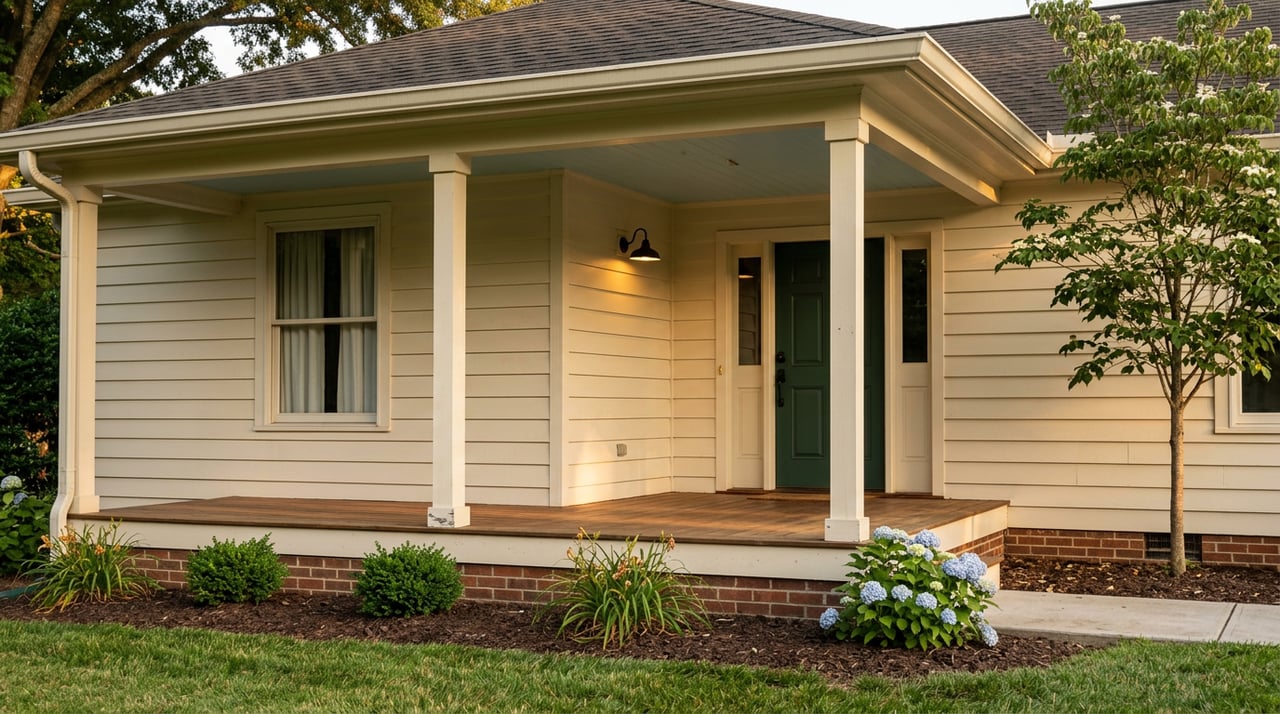
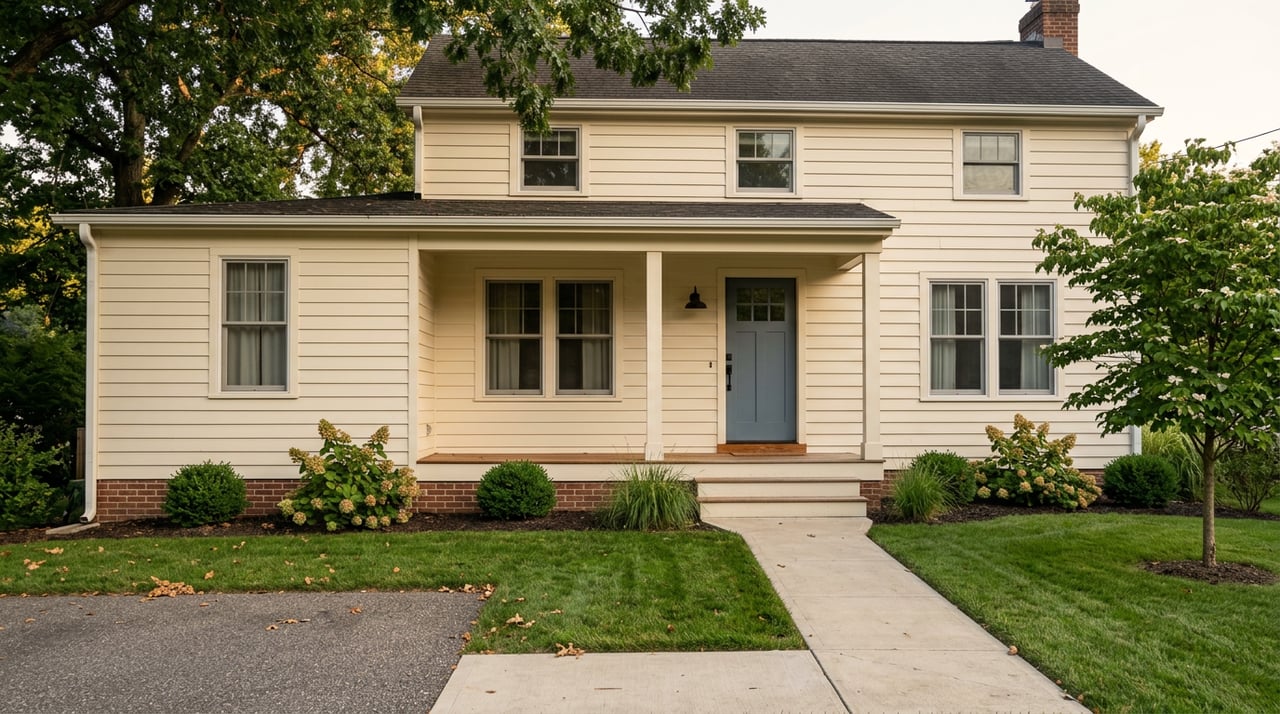
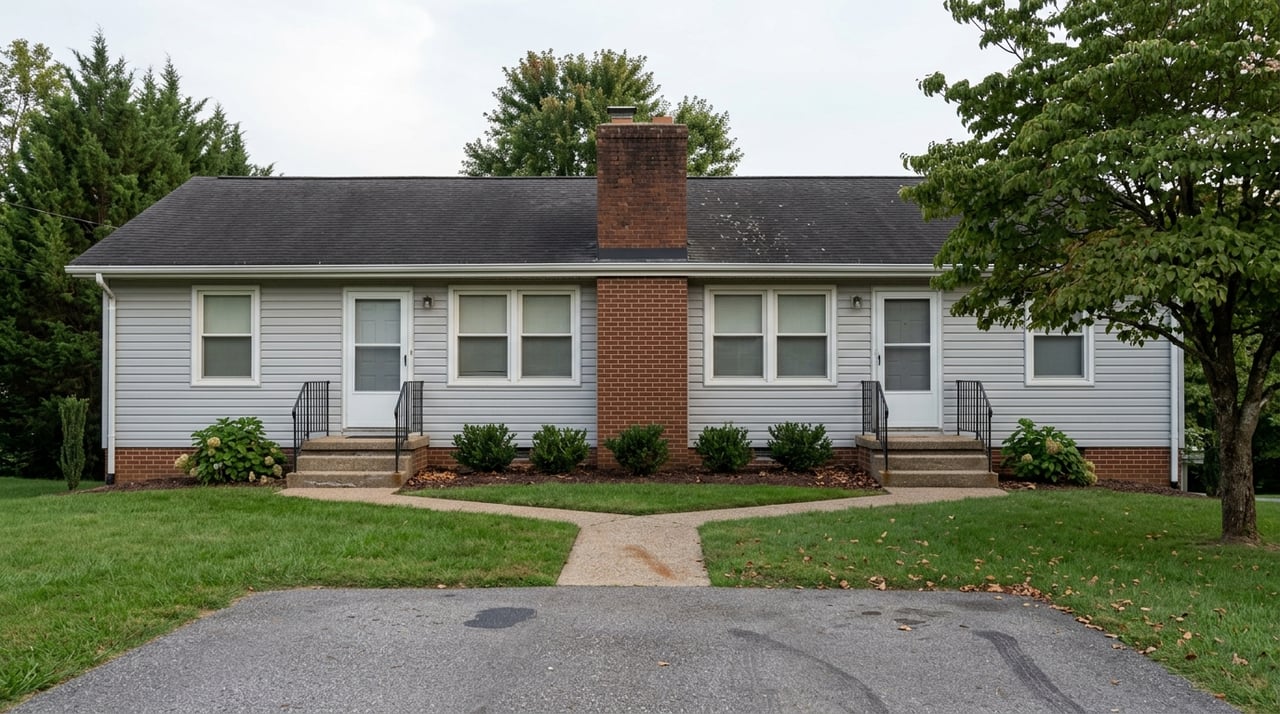
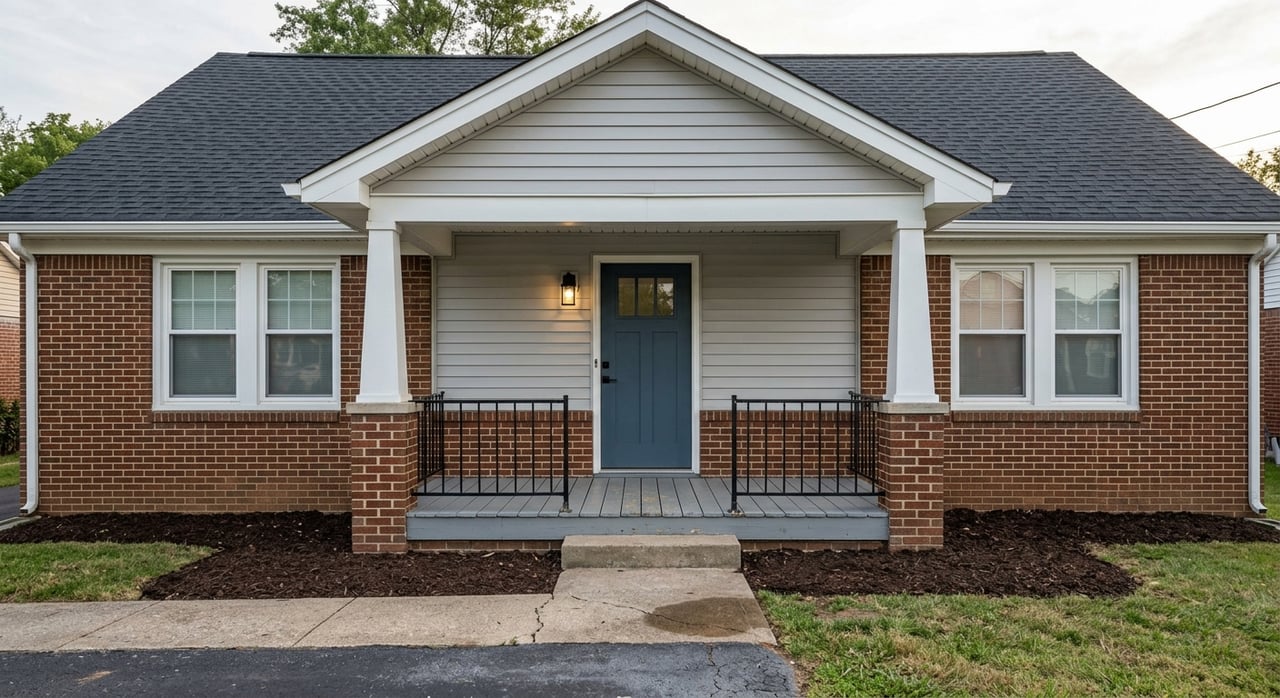
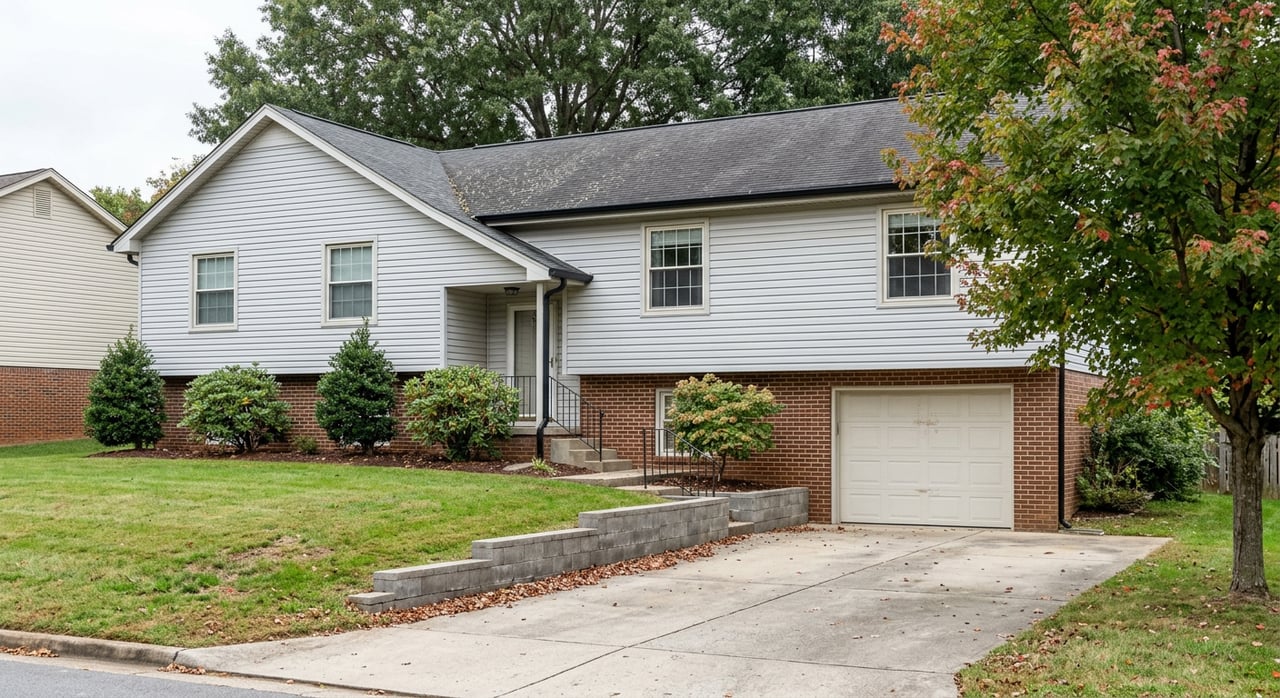
In Marion, Chilhowie, and Saltville, you’ll find established neighborhoods with a mix of older and newer homes. Town locations usually have public water and sewer, year-round road maintenance, and easy access to services. For park access, you’ll trade a few minutes of drive time for daily convenience.
Price context varies by source and date, but recent snapshots show county listing medians often near the 200k range, with Saltville trending lower and Chilhowie higher. Expect modest lot sizes, simpler yard care, and a broader resale pool. If you want plug-and-play living with weekend adventures nearby, in-town can be a great fit.
Cabins and second homes near trails
Cabins and cottages cluster around trail corridors, scenic ridge roads, and near Hungry Mother. Many sit on small to mid-size lots and draw weekenders, retirees, and remote workers who prize views and access. Turnkey cabins in prime spots can command higher prices than fixer options on the same road.
Before you buy, confirm road and driveway conditions for all seasons, and review permits for any recent work through Smyth County Building & Zoning. If the property is on well and septic, you’ll want soil evaluations and system details through the Virginia Department of Health’s onsite sewage and water program. Planning to rent the place? Verify any local rules or special-use permits with the county first.
Small farms and acreage
Privacy, pasture, timber, and hunting access drive the appeal of 10- to 100-plus-acre parcels. Per-acre listing medians for Smyth County often land in the mid-thousands, with many sources citing roughly 6k to 8.5k per acre. Actual price per acre swings widely with parcel size, slope, utilities, road access, and any river frontage.
Large recreational tracts and steep, wooded land often price lower per acre than small, buildable lots with utilities nearby. For broader context, state farmland benchmarks in USDA’s Land Values report show Virginia agricultural land averages that are higher than many mountain parcels, underscoring the regional discount in Southwest Virginia. You can compare using the USDA NASS Land Values 2024 Summary.
Riverfront and creek properties
River frontage on the North Fork Holston or local creeks is a premium amenity for views and fishing. It also brings extra homework. Check FEMA maps for flood zones and Base Flood Elevation requirements using the FEMA Flood Map Service Center. Lenders often require flood insurance for Special Flood Hazard Areas, and floodplain rules can shape building plans.
In addition, river parcels are more exposed to erosion and seasonal high water. If you plan to fish for the table, review Virginia DWR’s advisories for the North Fork Holston to understand the local guidance.
What your budget can buy
Different data sources track the market in different ways, so use ranges instead of a single number. Recent snapshots show:
- A county-level “typical home value” near the mid-100s, reflecting a smoothed index.
- Median listing prices commonly near the 200k to 215k range countywide, with town-by-town medians ranging roughly from the 130s in Saltville to the low 200s in Chilhowie and Marion.
- Median sold prices in the upper 100s to about 190k in recent reports.
These differences come from methodology. Indices smooth over time, listing portals report asking prices, and sold medians reflect closed deals. For a live read on a specific neighborhood or road, ask for fresh MLS comps. If you’re hunting acreage, remember that per-acre figures are only a starting point. Utilities, frontage, access, and topography can shift the value more than any single comp.
Utilities and broadband reality
Inside town limits, you’ll typically have public water and sewer. Outside town, most homes and cabins rely on private wells and septic systems, which require testing, permitting, and maintenance. Appalachian Power serves much of the county’s electric needs, and localities publish tap and service details you can confirm early in due diligence through the county’s utilities resources. Start with the Smyth County Economic Development utilities overview to understand providers and ongoing fiber buildouts.
Broadband is address-specific. In many pockets, cable service exists, while other areas depend on fixed wireless (such as local providers) or mobile home internet options. Fiber expansion is active, but not universal. Always verify by exact address before you write an offer, especially if you work from home or plan to run a short-term rental with streaming needs.
Permits, taxes, and key logistics
- Building and zoning. Smyth County requires permits for new builds and many renovations. On unsewered lots, you’ll need septic approvals from VDH before a county building permit is issued. If the parcel is on a state road, a VDOT driveway/entrance permit may be required. Start with Building & Zoning for steps and fees.
- Septic and well. Soil evaluations, perc tests, and well drilling can be significant early costs. Explore timelines and requirements through the VDH onsite sewage and water program.
- Floodplain rules. If a parcel touches a mapped flood zone, you may need an elevation certificate and flood insurance. Check your address on the FEMA Flood Map Service Center and confirm local floodplain requirements with the county.
- Taxes. The county treasurer publishes current tax rates. A recent posting noted real-estate tax at $0.59 per $100 of assessed value, with separate personal property rates listed. Rates can change, so confirm the latest on the Smyth County Treasurer’s page.
Where to live near the trails
- Marion. The county seat and closest full-service town to Hungry Mother. If you want park access plus in-town utility convenience, Marion is a practical base with quick drives to Hungry Mother State Park.
- Chilhowie. Convenient to I-81 and ridge access for Mount Rogers. Buyers often target Chilhowie-area lots for easy trail days in the Mount Rogers National Recreation Area.
- Saltville. Known for lower price points in some neighborhoods and access to river valleys. If angling is on your list, confirm local conditions with Virginia DWR’s Holston River page.
- Sugar Grove and Atkins. Rural corridors with acreage, ridge views, and trailheads into Jefferson National Forest. If you want space, privacy, and direct access to public land nearby, start your search here.
Buyer checklist before you make an offer
- Verify utilities at the address: electric provider, public water/sewer availability or well/septic needs, and broadband options. Begin with the county’s utilities overview.
- Confirm septic and well feasibility: soil perc results, any existing septic certification, and estimated installation or replacement costs through VDH’s onsite program.
- Check flood risk: flood zone, Base Flood Elevation, and insurance needs using the FEMA map portal.
- Inspect access: who maintains the road or driveway, winter access realities, and whether an entrance permit is needed. See the county’s Building & Zoning guidance.
- Verify use rules: short-term rental allowances, accessory dwellings, and any special-use permits required. Contact county planning and zoning for specifics.
- Pull local comps: recent sold prices, days on market, and inventory patterns in your target area. Ask your agent for MLS comparables that match your property type.
- For acreage: ask about mineral rights, timber value, boundary surveys, recorded easements, and any HOA covenants. For statewide ag benchmarks, see the USDA Land Values report.
Ready to explore?
If you want mountain views, trail days, and water nearby, Smyth County offers a lot of home for the money. Whether you’re choosing an in-town base, a weekend cabin, a small farm, or riverfront land, the right prep makes the difference. A local, hands-on plan for permits, utilities, flood checks, and comps will keep surprises out of your closing file.
If you’re relocating or buying from out of the area, you do not have to sort this out alone. With decades of Southwest Virginia experience and deep knowledge of acreage and lifestyle properties, Denise Blevins can help you compare locations, verify the technical details, and negotiate the right fit for your goals.
FAQs
What are typical home prices in Smyth County?
- Recent snapshots show a county “typical value” near the mid-100s, median listings around 200k to 215k, and median sold prices near the upper 100s. Use ranges and ask for current MLS comps for your target area.
Where should I live for quick park access?
- For Hungry Mother, Marion offers the shortest drive to the lake and trails. For Mount Rogers trailheads and ridge access, look near Chilhowie, Sugar Grove, and Atkins.
Do rural homes have public water and sewer?
- Usually not. Outside town limits, most properties use private wells and septic systems. Confirm service or feasibility early with the county and the VDH onsite program.
What should I know about riverfront parcels?
- Confirm flood zones on the FEMA map portal, check local floodplain rules, budget for flood insurance if needed, and review Virginia DWR advisories if you plan to keep fish.
How is broadband coverage in rural Smyth County?
- It varies by address. Town areas may have cable, while rural roads often rely on fixed wireless or mobile home internet until fiber expansions reach them. Start with the county’s utilities overview and then verify at the exact address.