Dreaming about more space, a longer driveway, and room to breathe in Russell County? Country living can be a great fit if you want privacy, acreage, or a slower pace, but rural property comes with details you do not want to learn after closing. If you are thinking about buying in Russell County, this guide will help you focus on the practical questions that matter most, from road access to well water to internet service. Let’s dive in.
Why Russell County Appeals to Rural Buyers
Russell County covers 473.82 square miles and had an estimated 25,332 residents as of July 1, 2025, according to the U.S. Census Bureau. The county includes four incorporated towns: Lebanon, Honaker, Cleveland, and Saint Paul. That mix of open land and small-town centers is part of what draws buyers looking for country property.
For many buyers, the appeal is simple: more land, more privacy, and more flexibility in how you use your property. At the same time, rural real estate in Russell County tends to be highly parcel-specific. What works well for one property may not apply to the next one down the road.
Check Road Access First
One of the first things to confirm is how you actually reach the property. In rural areas, access can affect convenience, maintenance, future improvements, and even closing decisions.
Public road or private drive?
You should find out whether the home sits on a state-maintained road or relies on a private driveway or shared access lane. Russell County’s website points buyers toward GIS and community maps, permits, road reporting, and parcel-level tools, which shows how important property-specific access can be.
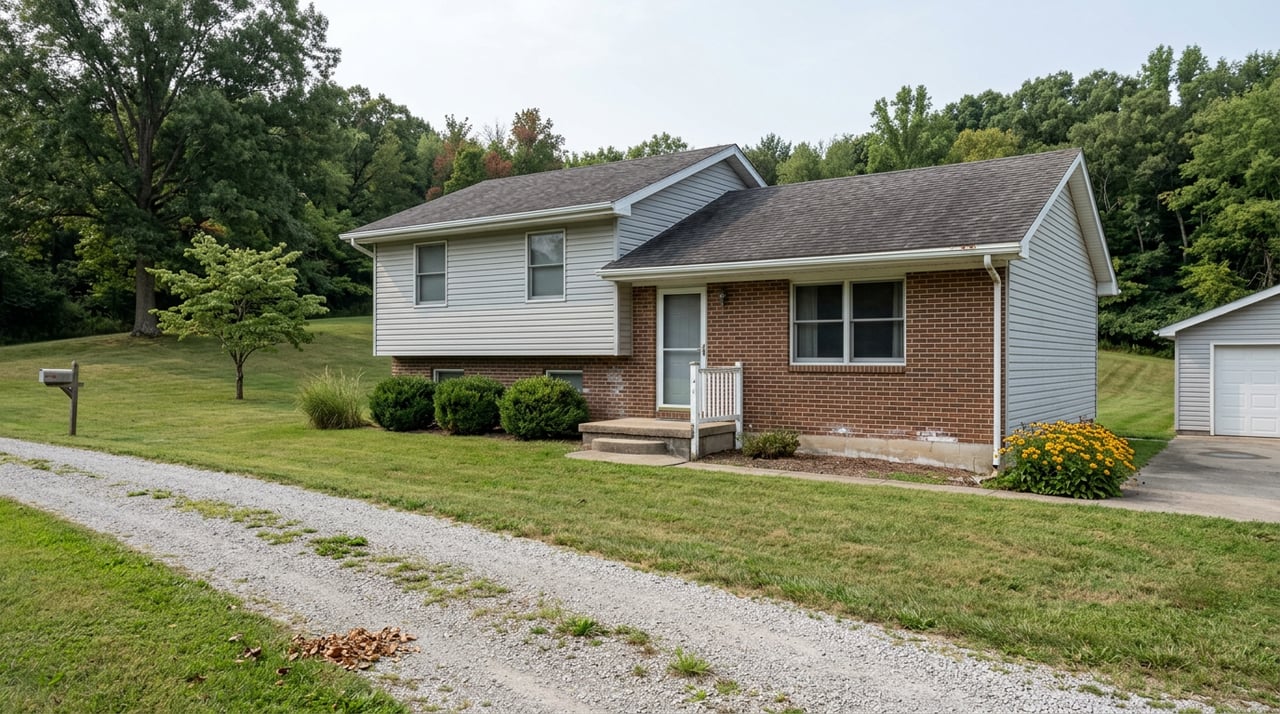
If the property depends on a gravel lane, a steep hill, or shared access, ask who maintains it and how that responsibility is handled. That is especially important before you commit to a rural purchase.
When VDOT approval may apply
The Virginia Department of Transportation requires a land use permit for work in the right-of-way of a state highway. That can include private entrances, utilities, surveying, and other access-related work.
If you plan to add a driveway, change an existing entrance, or extend utility lines, it is smart to verify early whether VDOT approval will be needed. A property with easy access today may still involve permits if you plan changes later.
Understand Water, Sewer, Well, and Septic
Utility questions often make or break a rural purchase. In Russell County, you should verify services by exact address instead of making assumptions based on nearby homes.
Public water and sewer availability
The Russell County Public Service Authority provides water and sewer services in parts of the county, but it specifically tells buyers to call first to confirm whether water is available at the exact location. New service applications must also be completed in person.
That means a property near existing service lines is not automatically connected or connectable. Before you close, make sure you know whether the property uses public utilities, private systems, or a mix of both.
What to know about private wells
If the property uses a private well, testing matters. The Virginia Department of Health says newly constructed private wells in Virginia must be tested for coliform bacteria before use, and it recommends annual testing for bacteria and nitrate.
VDH also advises prospective buyers to test private well water. In some cases, a lender may require home-purchase testing even if the health department does not.
What to know about septic systems
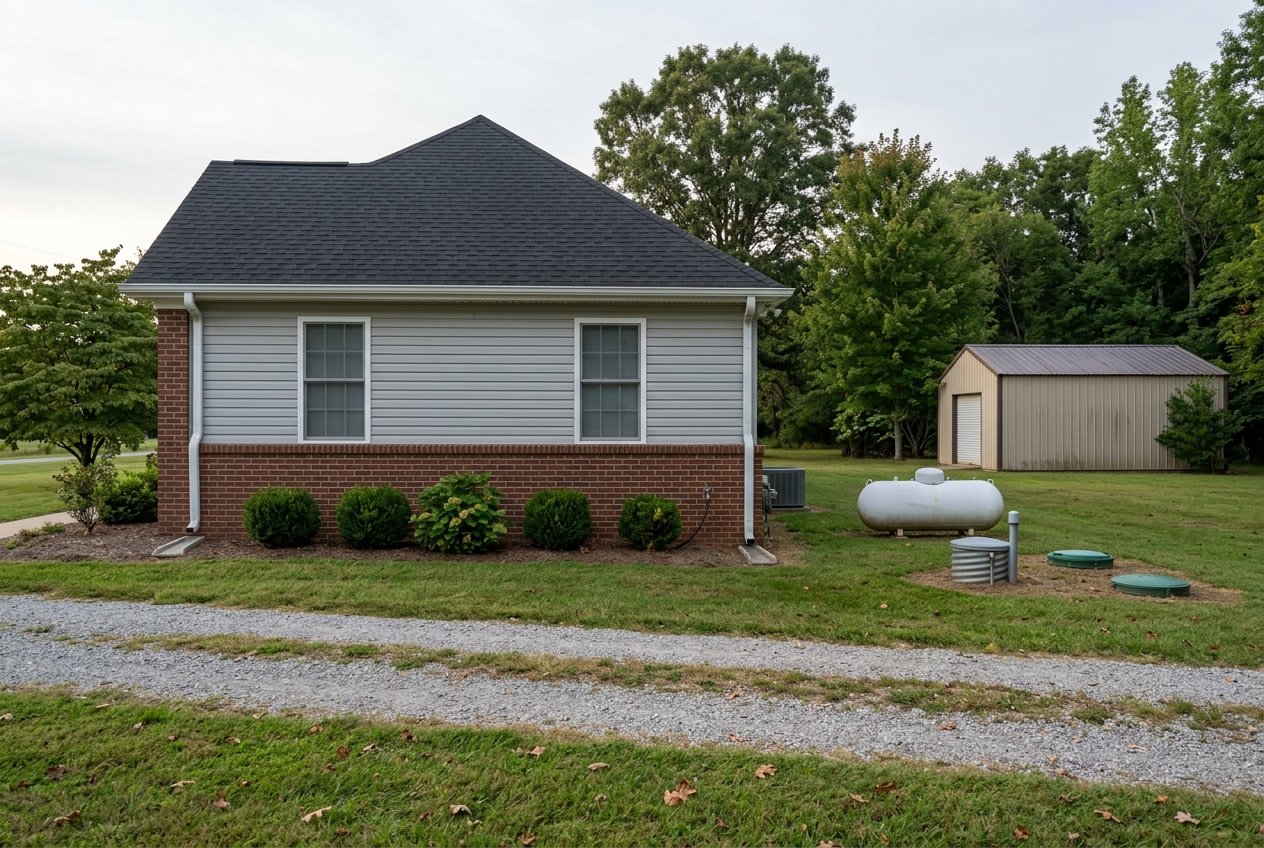
Russell County’s building permit FAQ states that if a property will use a private well and septic system, health department approval is required. The same source notes that additions, renovations, or repairs that may affect the septic system also need approval.
VDH further explains that for property not served by public water or public sewer, the owner must obtain permits for a private well and sewage disposal system before the county building inspections department will issue a building permit. If an onsite system already exists, the owner may need certification that it is adequate for the proposed work or a permit to upgrade it, based on VDH guidance.
Ask the Right Questions About Future Plans
A country property may fit your needs today but create surprises if you want to expand later. This is where planning ahead can save you time and money.
If you want to add on
If you are thinking about building an addition, finishing space, or adding another structure, ask whether the existing septic system is sized for the home as it stands now. A larger home or different layout could trigger additional review or upgrades.
This is one reason rural buyers should think beyond the current listing photos. You are not just buying a home as-is. You are also buying the limits and possibilities of the parcel.
If you want animals, equipment, or storage
Outbuildings can be a major benefit on rural property, but permit rules still matter. Russell County offers a farm building or structure exemption form that says structures used for farm use can be exempt from a building permit.
That form describes farm use broadly, including storage, animals, farm machinery, supplies, and related farm business uses. If a barn, shed, or workshop is part of the property, it is worth confirming whether it falls under this exemption or requires a permit.
Review Land Records and Parcel Details
When you buy country property, the land itself is a big part of the transaction. That means deed history, boundaries, easements, and tax treatment all deserve a close look.
Compare records and maps
Russell County provides access to online land records through the Circuit Court Clerk’s office, with deeds and land records from 1966 to the present. The county also links to GIS and community maps from its main website.
These tools can help you review deed history, compare parcel information, and look for possible easements or boundary questions before closing. In rural transactions, small record details can have a big impact.
Check land-use assessment status
If you are buying acreage, ask whether the parcel is part of a land-use assessment or tax-relief program. Russell County’s Commissioner of Revenue maintains land-use assessment and tax-relief programs that may matter for agricultural or forestland property.
That can be helpful, but it is also important to understand whether taxes could change if the property use changes later. If you plan to shift how the land is used, make sure you understand the tax implications before you buy.
Do Not Overlook Everyday Services
Country living is not just about the house and acreage. Day-to-day services can shape how convenient the property feels once you move in.
Trash, recycling, and emergency alerts
Russell County operates solid-waste convenience stations across the county. The county also notes that recycling is available at the Lebanon Recycling Center, which is currently accepting cardboard only.
For emergency readiness, the county coordinates planning, shelters, HazMat operations, and public safety partnerships, and it offers CodeRED emergency notifications through information shared in the county FAQ page. If you are moving from a more urban area, it helps to understand how these services are organized locally.
Internet availability matters
If you work from home, stream often, or rely on strong internet service, do not skip this step. Russell County’s broadband profile from the Virginia Department of Housing and Community Development lists 9,494 locations with broadband access and 6,597 without based on Commonwealth Connection data.
That does not mean service is unavailable everywhere, but it does mean you should verify internet options for the exact address before closing. In rural real estate, internet access can vary a lot from one parcel to another.
A Simple Rural Property Checklist
Before you move forward on a Russell County country property, make sure you have answers to these practical questions:
- Is the property reached by a state-maintained road or a private drive?
- Will any new driveway, entrance, or utility work require VDOT approval?
- Does the home use public water and sewer, or private well and septic?
- If it uses a well, has the water been tested?
- If it uses septic, is the system permitted and adequate for the home?
- Are there outbuildings, and do they need permits or qualify for an exemption?
- Do the deed, survey, and GIS information match?
- Is the parcel part of a land-use assessment program?
- How is trash handled at this location?
- Is internet service available at the exact address?
Country Living Works Best With Good Due Diligence
Buying in Russell County can be a smart move if you want space, privacy, and a more self-reliant lifestyle. The key is to look beyond the home itself and confirm the practical details tied to the parcel, including access, utilities, records, and services.
That is where local guidance can make a real difference. If you are considering acreage, a farmhouse, or a rural home in Southwest Virginia, Denise Blevins can help you ask the right questions and navigate the details with confidence.
FAQs
What should buyers verify first about a country property in Russell County?
- Start by confirming road access, utility type, and whether the parcel has public water, private well, septic, or a mix of services.
What should buyers know about well and septic rules in Russell County?
- If a property uses a private well and septic system, health department approval is required, and additions or repairs that affect septic may also need approval.
What should buyers know about driveway permits in Russell County?
- If driveway or entrance work affects the right-of-way of a state highway, VDOT may require a land use permit.
What should buyers know about internet service in Russell County?
- Broadband availability can vary by address, so you should verify service at the exact property before closing, especially if you work remotely or stream heavily.
What should buyers know about acreage and land records in Russell County?
- Buyers should review deeds, parcel maps, possible easements, and whether the property is enrolled in a land-use assessment program that could affect taxes later.