Thinking about selling your Abingdon home in the next year, but not sure where to start? You are not alone. Many long-time homeowners want a clear plan that balances smart spending with the right timing. In this guide, you will learn what matters most in Abingdon, how to price with confidence, which projects pay off, and how to present your home so it stands out. Let’s dive in.
Abingdon market basics
Abingdon is a small, historic town in Washington County with a walkable downtown, theaters, and museums. Buyers often value character, convenience, and community amenities. Many are local move-up buyers, retirees and empty-nesters, and regional relocators who compare your home to other properties in the Bristol and greater Washington County area.
Seasonality matters. Spring usually brings more activity and fresh inventory. In a small market, timing your launch and presenting your home well can increase showings and reduce days on market.
Before you list, check the latest local figures for median price, inventory, average days on market, and list-to-sale price trends. A local CMA and current stats will guide pricing and project choices.
Smart pricing with a CMA
A Comparative Market Analysis is your single most important pricing tool. It compares recent sales of similar homes in your neighborhood, including lot size, age, condition, and days on market. Ask your agent to include any seller concessions so you see the true net picture.
Think in net terms. Estimate your proceeds by factoring in closing costs, transfer and recordation fees, any remaining mortgage, expected improvement costs, and your target list price. A clear net sheet helps you decide where to spend and what to save.
Consider a pre-listing inspection, especially for older Abingdon homes. Inspectors often flag roofing, HVAC, electrical, plumbing, moisture or foundation issues, and well or septic items. Knowing these ahead of time helps you set price with confidence or make repairs that protect your bottom line.
In a balanced market, a slightly more competitive initial price combined with strong presentation often reduces the risk of price cuts later. Your agent can recommend a launch strategy tied to local momentum.
Invest where it counts
Focus on high-impact, cost-effective improvements. Use a CMA and contractor quotes to decide whether moderate updates make financial sense for your price range.
Essential before listing
- Clean, declutter, depersonalize. Deep clean, store extra furniture, and remove personal photos. Rooms will look larger and calmer.
- Safety and function first. Fix leaks, broken windows, loose steps, missing handrails, and faulty smoke or CO detectors.
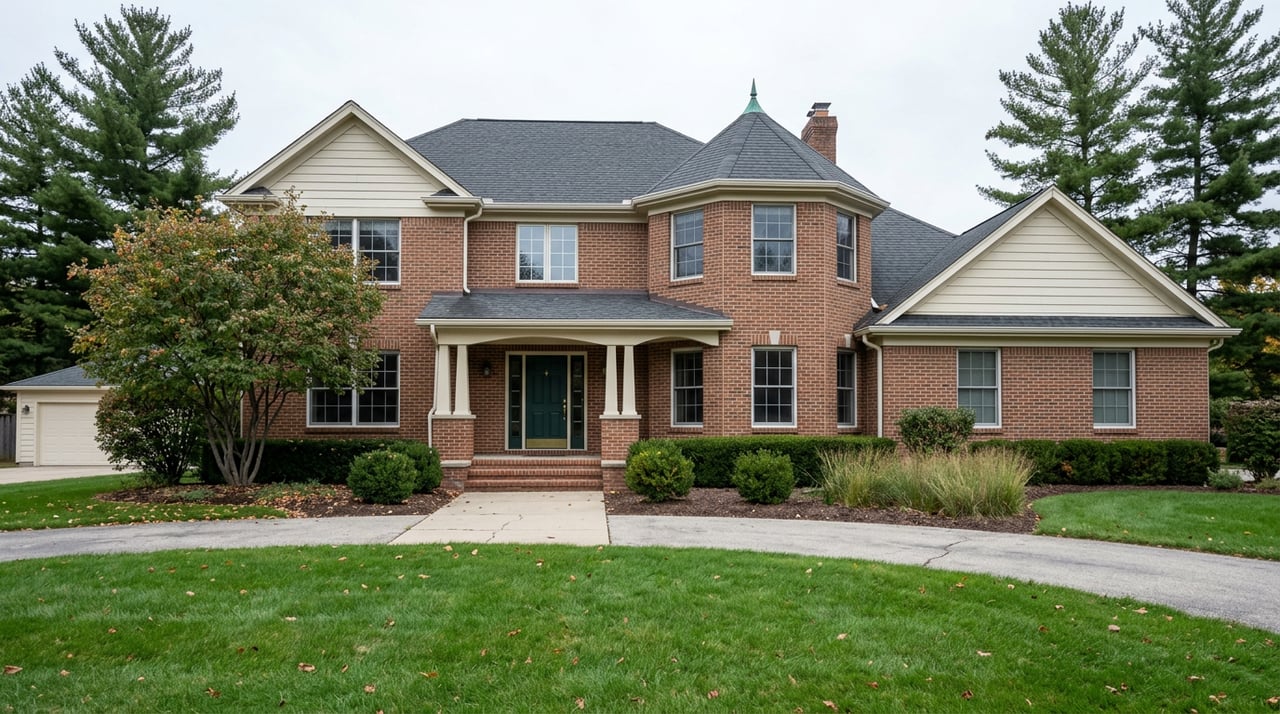
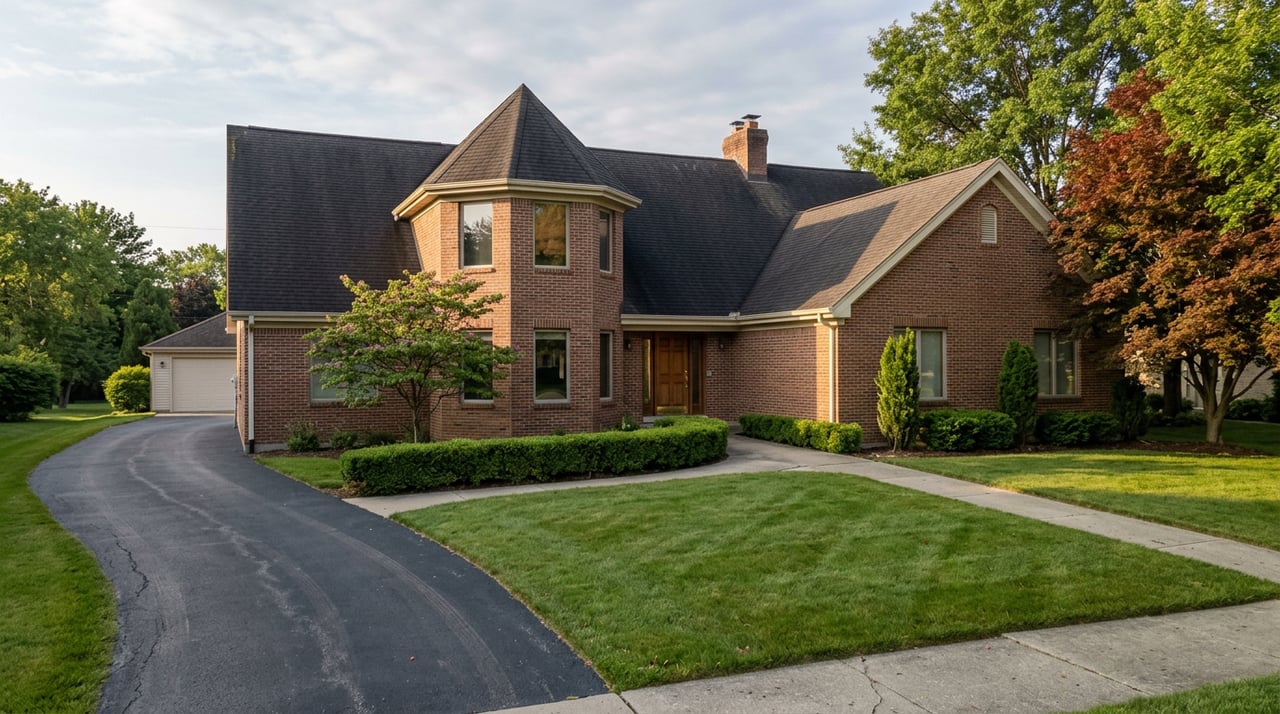
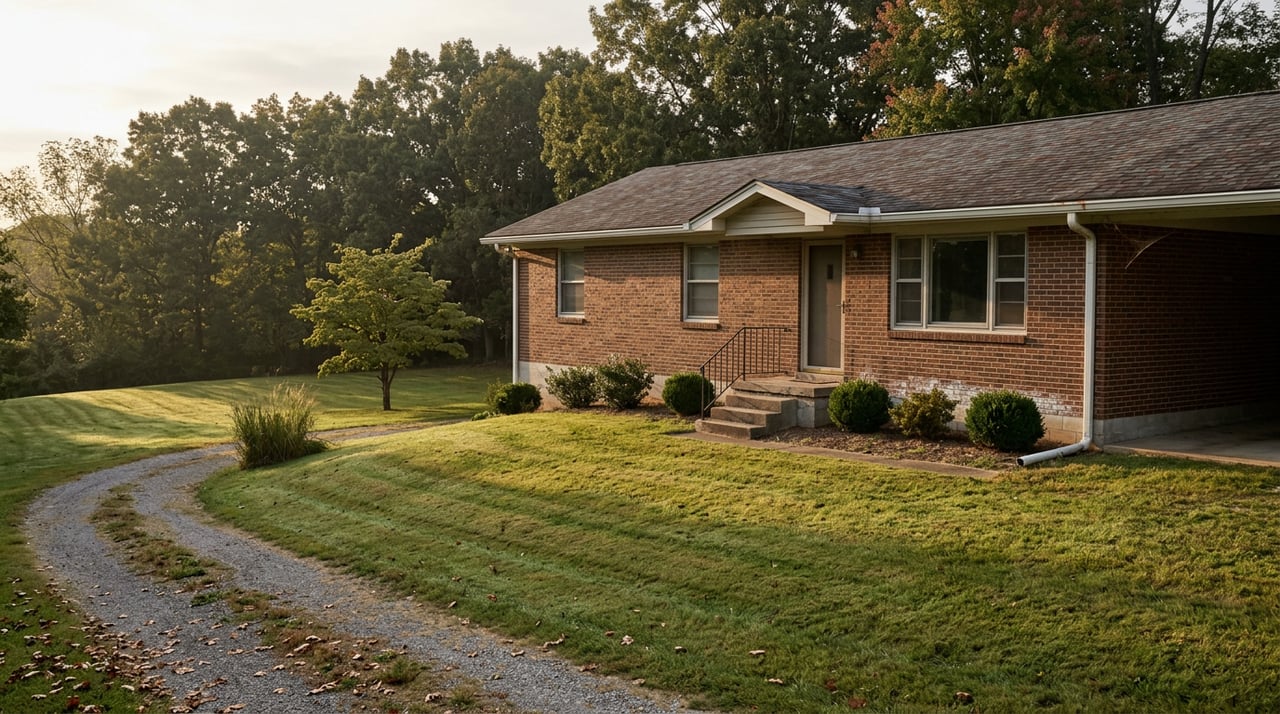
- Curb appeal refresh. Trim shrubs, mow and edge, pressure-wash siding, clean gutters, and refresh the front door and hardware.
- Tackle visible repairs. Address flaking paint, missing shingles, and damaged siding so buyers see a well-kept home.
High-impact, moderate-cost
- Neutral interior paint. A fresh, light palette unifies rooms and photographs well.
- Flooring refresh. Deep-clean carpets, refinish hardwoods, or replace worn carpet in main areas.
- Kitchen refresh. Update cabinet hardware, lighting, faucet, and possibly counters if cost-effective for your comps.
- Bathroom touch-ups. Re-grout, re-caulk, and update vanity lighting and hardware for a clean, current look.
Case by case
- Major systems. Replace roof, HVAC, or septic only if failing. Otherwise price accordingly and disclose.
- Large remodels. Full kitchen or bath overhauls rarely recoup cost in small-town markets unless you are targeting a higher tier supported by comps.
- Energy upgrades. New windows or insulation can help, but weigh buyer demand and likely payback.
Staging and photos that sell
Your first showing happens online. In a market like Abingdon, thoughtful staging and professional photos can drive more in-person visits and stronger offers.
- Hire a skilled real estate photographer. Ask for bright, natural images and a twilight exterior if it suits your home.
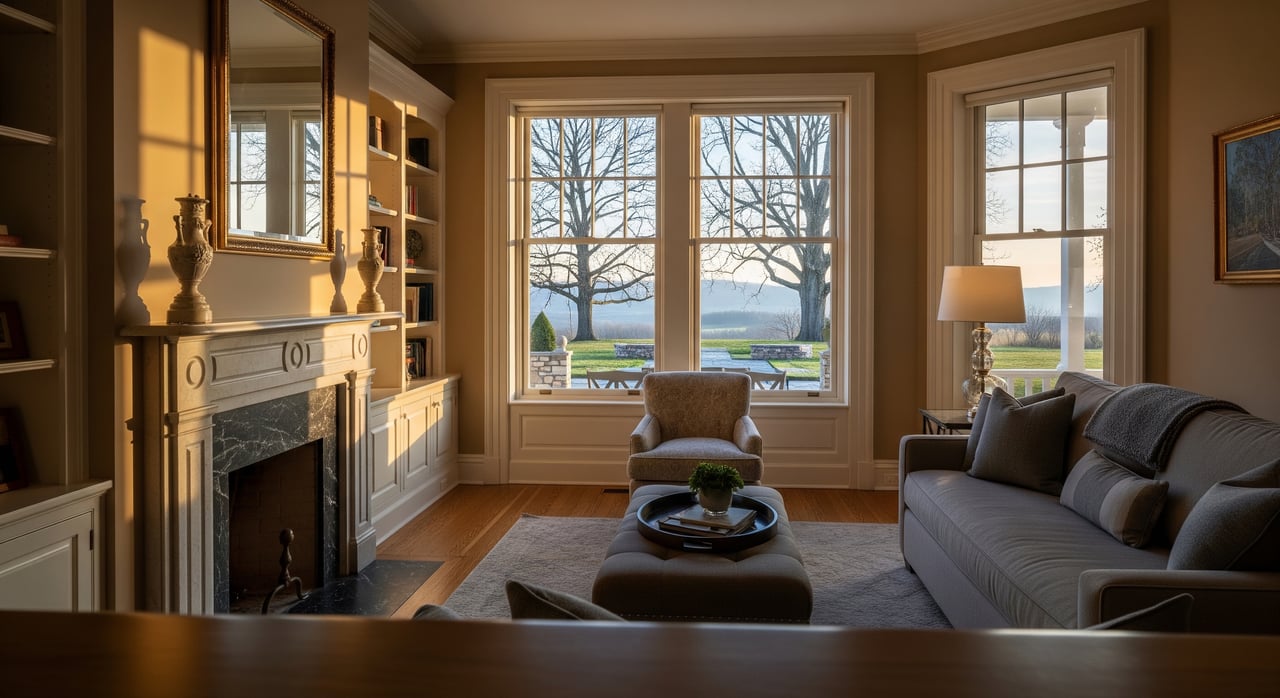
- Choose the right staging level. Full staging for higher-end homes, or simple DIY staging with clear traffic flow, neutral textiles, and a few plants.
- Plan your photo order. Start with the front exterior and entry, then main living areas, kitchen, primary suite, baths, outdoor spaces, and any standout features like a porch or historic detail.
- Prepare for showings. Remove pets and strong odors, keep the home well lit, and set the thermostat to a comfortable temperature.
When writing your listing description, highlight what local buyers value. Mention historic charm if applicable, proximity to downtown amenities, recent updates, utility types such as well and septic, and any transferable inspection reports or warranties.
Inspections and disclosures
Virginia has specific property condition disclosures. Your agent will help you complete the required forms and explain timing. For homes built before 1978, federal law requires lead-based paint disclosure and delivery of the EPA pamphlet to buyers.
If your property is in Abingdon’s historic district, exterior changes may be subject to local review. Confirm before you begin any exterior work. Gather records, permits, and receipts for past improvements in case buyers ask.
Many properties outside town limits rely on private well and septic. Buyers often request water tests and septic inspections. Consider pre-inspecting and making repairs to avoid delays.
Collect HOA documents if applicable, plus any easements or covenants. Pull the current property tax amount from Washington County records and check for assessments. If your home is near waterways, review flood risk and be ready to discuss any testing for radon or mold.
8–12 week checklist
Here is a practical plan you can tailor to your home and timing.
8–12 weeks out
- Request a current CMA and pricing strategy from a local agent.
- Order a pre-listing inspection for older homes.
- Gather documents: deed, recent tax bill, permits, warranties, HOA docs, and past utility bills.
- Set a repair and refresh budget and get contractor estimates.
- If in the historic district, confirm exterior guidelines before starting work.
4–8 weeks out
- Complete essential repairs and safety fixes.
- Declutter, deep clean, and store nonessentials off-site.
- Paint high-impact rooms in neutral tones.
- Tidy landscaping and improve curb appeal.
- Start your staging plan, or book a professional stager.
2–4 weeks out
- Finish touch-ups and deep-clean carpets and floors.
- Schedule professional photography on a clear day with good light.
- Draft the listing description that spotlights local amenities and upgrades.
- Make a pet plan for photos and showings.
Listing week
- Launch the listing with professional photos and complete details.
- Pre-schedule showings and set clear instructions.
- Prepare for open houses if appropriate for your area.
Under contract
- Expect buyer inspections and questions. Keep your pre-list report and quotes ready.
- Maintain show-ready condition through contingencies and appraisal.
Your next step
You do not need to tackle this alone. With decades of Southwest Virginia experience and polished marketing, Denise helps you price with confidence, invest where it counts, and present your home at its best. If you are planning to sell in the next 6 to 12 months, let’s map your plan now so you hit the market ready. Connect with Denise Blevins for a local CMA, a clear prep checklist, and premium staging and photography support.
FAQs
How much should I spend before listing my Abingdon home?
- Prioritize low-cost, high-impact items like paint, decluttering, and curb appeal, then use a CMA and contractor quotes to decide on larger projects based on expected return.
Should I get a pre-listing inspection in Washington County?
- Yes, especially for older homes, since it helps you find issues early, choose smart repairs, support your pricing, and reduce surprises during negotiations.
Will staging and pro photos really matter in Abingdon?
- Yes, because most buyers see your home online first, and well-staged, well-photographed listings tend to draw more showings and stronger offers.
What if my home is in Abingdon’s historic district?
- Confirm exterior guidelines with local planning before you start work, and keep permits and records handy for buyers and appraisers.
Do I need to worry about well and septic when selling?
- If your property uses private well and septic, expect buyer tests and inspections, so consider pre-inspecting and addressing issues to avoid delays at closing.
How do I choose the right price in today’s market?
- Base your list price on a local CMA that reflects recent sales, condition, and days on market, then pair it with strong presentation to maximize exposure and interest.